
Home Studio Setup for Beginners
Home Studio Setup for Beginners: The Ultimate Guide
Setting up a home studio is a rite of passage for many aspiring music producers and DJs. With the surge in affordable technology and a growing community of home-based creators, there’s never been a better time to dive into music production. This guide to home studio setup for beginners will walk you through the essentials, from gear to software, with insights from industry professionals and data-driven advice.
In 2026, the democratization of music production means that more tools are available at lower costs, allowing beginners to create professional-quality tracks from the comfort of their homes. But with so many options, where should you start? Let’s break down your home studio setup step-by-step, with real-world examples and practical tips to get your creative juices flowing.
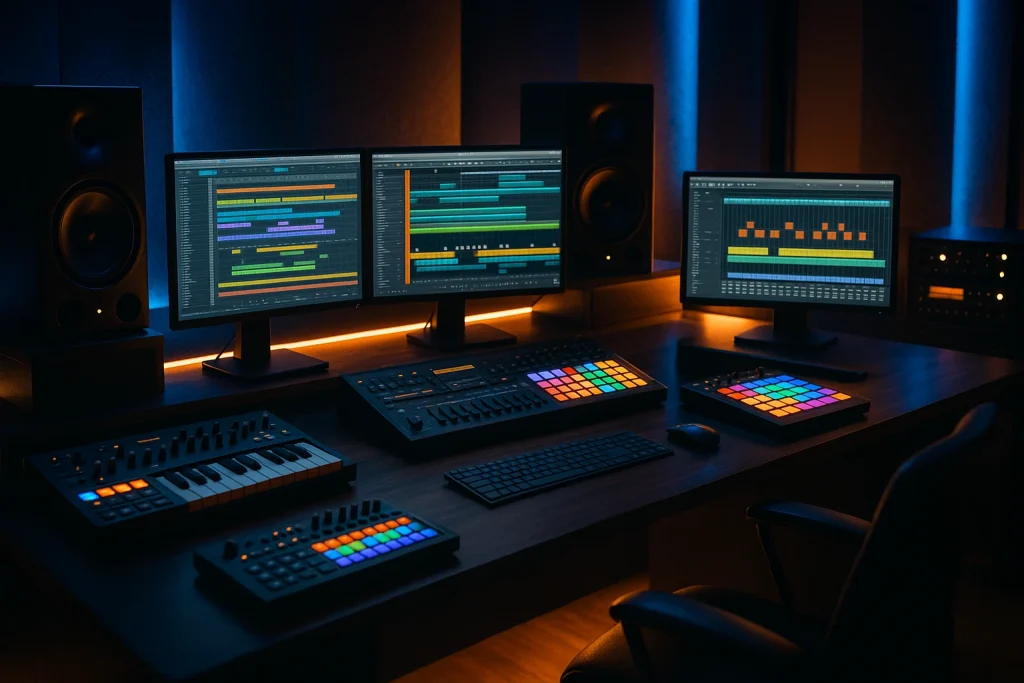
Understanding the Basics: Essential Home Studio Equipment
The foundation of any home studio begins with the right equipment. While you don’t need to break the bank, investing in a few key pieces can make a significant difference in your production quality. Here’s a rundown of the essentials:
- Digital Audio Workstation (DAW): The core of your studio, a DAW is where you’ll edit, mix, and produce your music. Popular options for beginners include Ableton Live, FL Studio, and Logic Pro.
- Audio Interface: This device converts analog signals from microphones or instruments into digital format, allowing your computer to process the sound. The Focusrite Scarlett series is a favored choice among beginners.
- Studio Monitors and Headphones: Quality monitoring gear is essential for accurate sound representation. KRK Rokit and Yamaha HS series monitors are industry standards.
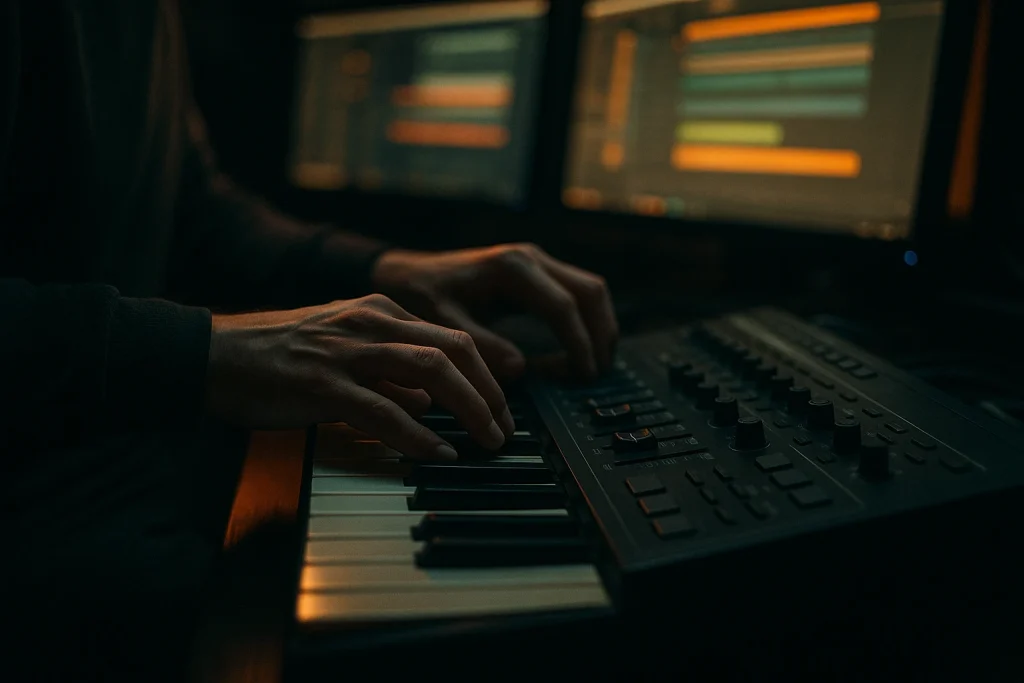
- MIDI Controller: While optional, a MIDI keyboard can significantly enhance your creativity and workflow.
- Microphones: If you plan to record vocals or acoustic instruments, a good condenser mic like the Audio-Technica AT2020 is a solid start.
Each piece of equipment plays a crucial role, and understanding their functions will help you make informed purchasing decisions. For instance, renowned producer Deadmau5 started with a basic setup and built his empire from there, proving that you don’t need the most expensive gear to create chart-topping hits.
Choosing the Right DAW for Your Needs
Your choice of DAW can shape your production style. Each software has unique features and workflows, so it’s essential to choose one that aligns with your creative process. According to MusicRadar, Ableton Live is favored for its intuitive interface and extensive library of samples and effects, making it ideal for electronic music producers.
| DAW | Best For | Price Range | Key Features |
|---|---|---|---|
| Ableton Live | Electronic Music | $99–$749 | Clip-based workflow, session view |
| FL Studio | Hip Hop, EDM | $99–$499 | Fruity Loops, extensive plugin support |
| Logic Pro | All Genres | $199 | Comprehensive toolset, Apple integration |
Choosing the right DAW will also depend on your budget and the type of music you want to produce. For a more detailed comparison, check out our guide on Ableton vs FL Studio.
Setting Up Your Space: Acoustic Treatment and Layout
Creating a conducive environment for music production involves more than just the right gear. Acoustic treatment is crucial for minimizing sound reflections and ensuring accurate monitoring. Billie Eilish famously recorded her Grammy-winning debut album in a small bedroom studio, showcasing that with the right setup, any space can become a professional studio.
Focus on positioning your monitors at ear level and using acoustic panels to dampen reflections. A simple yet effective approach is to place foam panels or bass traps in corners where sound is likely to bounce. This setup ensures that what you hear is an accurate representation of your mix, leading to better production decisions.
Common Myths About Home Studios
There are several myths surrounding home studio setups that can mislead beginners. Let’s debunk a few:
- “You need expensive gear to produce professional music.” While high-end equipment can enhance quality, many top producers started with basic setups. Creativity and skill often outweigh gear quality.
- “More plugins and effects mean better music.” Mastering a few essential tools can be more valuable than having an overwhelming number of plugins.
- “Home studios can’t compete with professional studios.” With the right skills and knowledge, a home studio can produce commercially viable music, as evidenced by numerous successful independent artists.
Understanding these myths can save you time and money, allowing you to focus on what truly matters: honing your craft.
Industry Insights: How Successful Producers Started
Many renowned producers began their careers in humble home studios. Take Skrillex, for example, who started producing music on his laptop using Ableton Live. His story is a testament to how passion and dedication can lead to success, even without access to high-end studios.
Learning from industry veterans can provide valuable insights into effective production techniques and workflows. Resources like Splice offer sound samples and artist packs that can give beginners a head start in their production journey.
Maximizing Your Production Potential
To truly excel in music production, continuous learning and collaboration are key. Consider collaborating with other artists or hiring a ghost producer to enhance your tracks. This can provide fresh perspectives and elevate your music quality.
If you’re looking to scale your output without burnout, outsourcing can be a viable strategy. Our guide on outsourcing music production explores how to efficiently manage your workflow.
Expanding Your Musical Horizons
Once your home studio is up and running, the next step is to get your music heard. Platforms like SoundCloud and Resident Advisor are excellent for sharing your tracks and gaining exposure. Additionally, understanding how to get signed as a producer can open doors to new opportunities.
For those ready to take the leap, consider exploring our music production services for custom tracks and professional production support.
Frequently Asked Questions
What is the most important piece of equipment for a home studio?
The most critical piece of equipment is arguably the DAW, as it’s the central hub for all your music production activities.
How much should I budget for a beginner home studio?
A basic setup can range from $500 to $1,500, depending on the quality of equipment you choose.
Can I produce professional music with a home studio?
Yes, many successful artists have produced commercially viable tracks from home studios. It’s more about your skills and creativity than the cost of your gear.
Should I invest in acoustic treatment for my studio?
Yes, proper acoustic treatment can significantly improve your sound quality by reducing unwanted reflections and echoes.
What are some good resources for learning music production?
Online platforms like Splice and Mixmag offer tutorials and sample packs to help you get started.
Last updated:
Ready to Scale Your Music Output?
Release more music, hit more deadlines, and build a stronger catalog — with professional ghost production that sounds exactly like you.