
Harmonic Mixing Guide for DJs – Camelot Wheel Explained
Harmonic Mixing Guide for DJs – Camelot Wheel Explained
In the dynamic world of DJing, harmonic mixing is a game-changer for those looking to elevate their sets. Understanding the Camelot Wheel and key detection can transform your performances, allowing for seamless transitions and a more engaging experience for your audience. This harmonic mixing guide will delve into the Camelot Wheel, explore the nuances of professional mixing techniques, and address the common pitfalls that DJs encounter.
The Camelot Wheel, a visual representation of musical keys, is essential for harmonic mixing. Developed by Mark Davis in 1990, it aligns keys in a circle, allowing DJs to easily identify compatible tracks. By mixing tracks in key, DJs maintain the energy and flow of their sets, enhancing the overall listening experience. This technique has been popularized by digital DJ software, but understanding the theory behind it remains crucial.
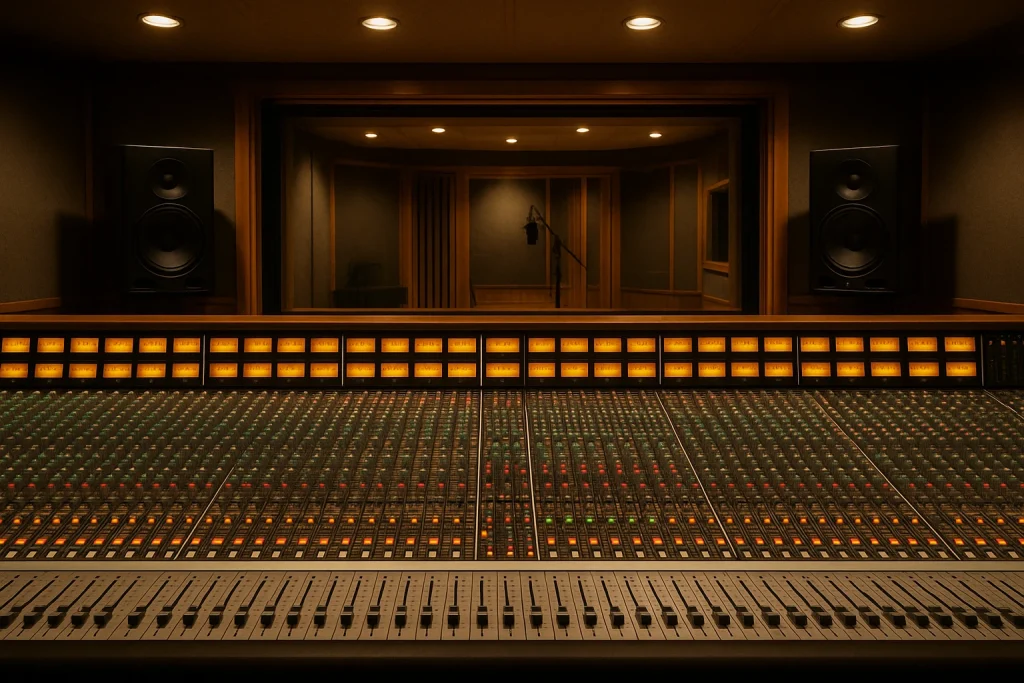
Beyond harmonic mixing, professional DJs should master technical aspects of mixing, such as gain staging, EQ decisions, and bus processing strategies. These components ensure your mix sounds polished and professional, whether you’re performing live or recording for streaming platforms. Let’s explore these concepts further and learn how to avoid the common mistakes that can make mixes sound amateur.
The Camelot Wheel: A Deep Dive
The Camelot Wheel simplifies the process of identifying compatible keys for mixing. Each key is assigned a number and letter, such as 8A for A minor, making it easy to follow. The logic is simple: mix tracks with the same number (and different letter) or adjacent numbers on the wheel to maintain harmonic compatibility.
For example, a track in 8A (A minor) can be mixed with another track in 8B (B flat major) or 9A (E minor). This technique helps maintain the musical integrity of your set and prevents harsh key clashes that can disrupt the flow.
Key Detection: Tools and Techniques
Key detection is a vital skill for DJs, enabling them to identify the key of a track accurately. While many DJs rely on software like Mixed In Key and Rekordbox, understanding how to manually determine a track’s key is invaluable. This knowledge allows for greater flexibility and adaptability during live performances.
- Mixed In Key: This software is a favorite among DJs for its accurate key detection and user-friendly interface. It integrates seamlessly with DJ software, providing key information directly on your decks.
- Rekordbox: Pioneer DJ’s software offers built-in key detection, making it a popular choice for those using CDJs. Its compatibility with the Camelot Wheel makes harmonic mixing intuitive and straightforward.
Professional Mixing Techniques
The Gain Staging Chain
Gain staging is the foundation of a clean mix. It involves setting the optimal levels for each element of your mix to prevent distortion and maintain clarity. Proper gain staging ensures that each track is well-balanced, allowing other effects and processing to work effectively.
EQ Decisions: Corrective vs. Creative
EQ is a powerful tool for shaping the sound of your mix. Corrective EQ addresses issues like frequency masking and harsh resonances, while creative EQ enhances the character of your tracks. Understanding when and how to apply each type of EQ is crucial for achieving a professional sound.
Parallel Compression Explained
Parallel compression, or “New York compression,” adds punch and presence to your mix without sacrificing dynamic range. This technique involves blending a compressed signal with the original, uncompressed signal to enhance certain elements without overpowering the mix.
Bus Processing Strategies
Bus processing is a common technique used by Grammy-winning engineers to achieve a cohesive sound. By grouping similar tracks (such as drums or vocals) and applying effects collectively, DJs can create a more unified mix. This approach also simplifies the mixing process and improves efficiency.
Home Studio Acoustic Treatment and Frequency Masking
Acoustic treatment is often overlooked in home studios, yet it’s essential for accurate monitoring and mixing. Poor acoustics can lead to frequency masking, where certain sounds are lost or exaggerated. Addressing this issue involves using bass traps, diffusers, and absorbers to balance the room’s acoustics.
For those setting up their first home studio, our Home Studio Setup for Beginners guide offers practical advice on creating an optimal listening environment.

Mixing for Streaming: Avoiding Over-Limiting
With the rise of streaming platforms, understanding how to mix for streaming is crucial. Over-limiting can destroy the dynamic range of your mix, leading to a flat and lifeless sound. Instead, aim for a balanced dynamic range that maintains clarity and impact across all devices.
Utilize reference tracks to check your mix against professional standards. This method helps identify areas for improvement and ensures your mix translates well on platforms like Spotify and Apple Music. Our guide on How to Use Reference Tracks provides detailed instructions on this technique.
Common Mixing Mistakes That Sound Amateur
Avoiding common mistakes is key to achieving a professional sound. Issues such as poor EQ decisions, inadequate gain staging, and overuse of compression can quickly degrade the quality of your mix. Additionally, neglecting proper acoustic treatment can lead to inaccurate monitoring and subpar results.
For a deeper dive into mixing techniques, our Complete Mixing Guide offers comprehensive insights into achieving a polished and professional sound.
Reference Track Method: Real Examples and Applications
Using reference tracks is a proven method for improving the quality of your mixes. By comparing your mix to professional tracks, you can identify areas for improvement and ensure your mix stands up to industry standards. Choose reference tracks in the same genre and with similar instrumentation for the best results.
Consider tracks by renowned artists such as Calvin Harris or Martin Garrix as benchmarks. Their productions offer excellent examples of balance, clarity, and impact, providing valuable insights into professional mixing techniques.
| Aspect | Beginner | Professional |
|---|---|---|
| Gain Staging | Levels often clipped | Balanced levels |
| EQ Usage | Overuse, harsh peaks | Subtle, transparent |
| Compression | Heavy-handed | Dynamic, controlled |
| Bus Processing | Rarely used | Strategic grouping |
| Reference Tracks | Not utilized | Frequent comparison |
For DJs looking to enhance their sets with unique tracks, buying exclusive ghost-produced tracks or learning more about how ghost production works can provide fresh material tailored to your style.
Additionally, if you’re interested in custom tracks that reflect your brand, consider exploring our ghost production services for DJs. It’s an excellent way to stand out and deliver unique performances.
Frequently Asked Questions
What is harmonic mixing?
Harmonic mixing is a technique that involves mixing songs that are in compatible keys to create a seamless and musically harmonious transition between tracks.
How does the Camelot Wheel help in DJing?
The Camelot Wheel is a visual tool that organizes musical keys in a circular pattern, making it easy for DJs to identify tracks with compatible keys for harmonic mixing.
What software can help with key detection?
Popular software for key detection includes Mixed In Key and Rekordbox, both of which offer accurate key analysis and integration with DJ setups.
Why is gain staging important in mixing?
Gain staging ensures that each element of a mix is set at the optimal level, preventing distortion and maintaining clarity throughout the mix.
What are some common mistakes in mixing that make it sound amateur?
Common mistakes include poor EQ decisions, inadequate gain staging, overuse of compression, and neglecting proper acoustic treatment in the studio.
Last updated:
Stand Out From Every Other DJ
The DJs who get booked and remembered play music nobody else has. Commission exclusive ghost-produced tracks and edits made specifically for your sound.