
Future Bass Production – Guide
Future Bass Production: A Comprehensive Guide for Producers
Future bass has emerged as one of the most exciting subgenres in electronic dance music, captivating listeners with its lush soundscapes and intricate melodies. Known for its dynamic range and emotive chord progressions, future bass production has become a staple for producers aiming to innovate and inspire. This comprehensive guide delves into the essential elements of future bass production, drawing on real-world examples, technical insights, and industry trends to provide a resource that both new and seasoned producers will find invaluable.
Originating in the early 2010s, future bass has seen a meteoric rise thanks to artists like Flume, who propelled the genre into mainstream consciousness with his 2012 self-titled debut album. Artists such as Illenium, San Holo, and Marshmello have further popularized the style, each bringing their unique take to the genre’s defining features: sweeping synths, vibrant basslines, and experimental sound design.
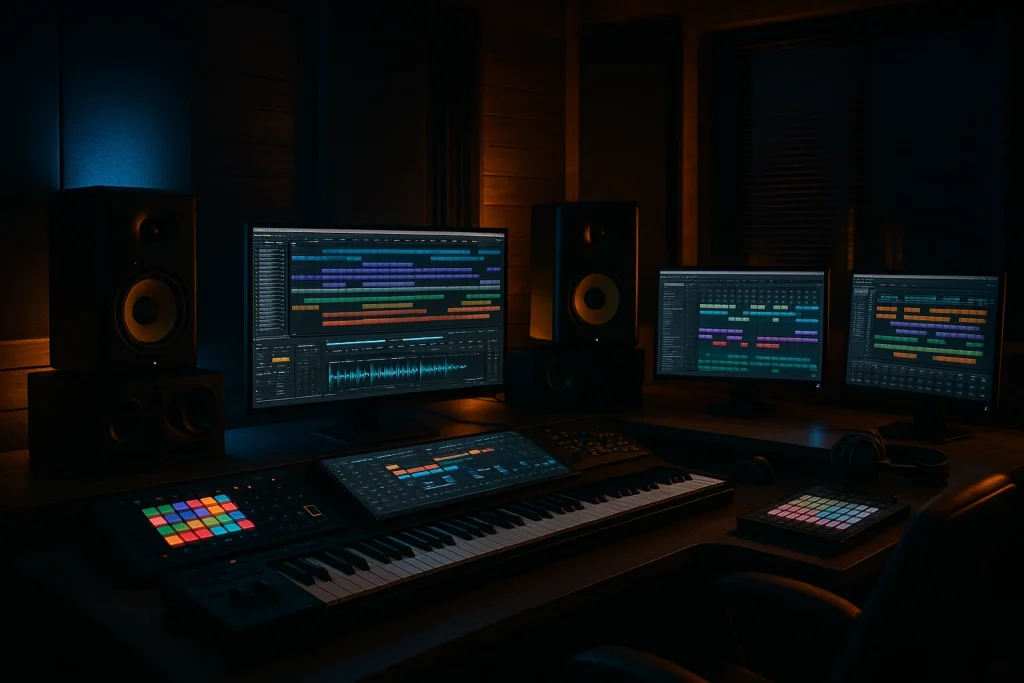
As we step into 2026, the future bass landscape continues to evolve, integrating more diverse elements and pushing the boundaries of what electronic music can achieve. For producers looking to make their mark in this ever-expanding genre, understanding the intricate details of future bass production is crucial. Whether you’re looking to hire a ghost producer to elevate your sound or seeking to buy exclusive ghost-produced tracks, resources like The Ghost Production provide valuable services to streamline your creative process.
Understanding the Core Elements of Future Bass
At its core, future bass is characterized by its use of rich, melodic synths and dynamic basslines. The genre is known for its ability to evoke emotion through powerful chords and innovative sound design. Let’s break down the key components that define future bass production:
Synth Design and Soundscapes
The hallmark of future bass is its lush synths, often layered to create a full, textured sound. Producers typically use software synthesizers such as Serum, Massive, and Sylenth1 to craft these distinctive sounds. The ability to design and manipulate synth patches is essential, allowing producers to create evolving atmospheres that are both immersive and engaging.
Basslines and Rhythm
Future bass tracks are driven by complex basslines that often incorporate sidechain compression to create a pulsing, dynamic rhythm. This technique, combined with swung beats and syncopated percussion, gives future bass its characteristic groove. Understanding how to effectively use compression and EQ is vital in achieving a professional sound. For more on equalization, check out our EQ for Music Production Guide.
The Role of Chord Progressions
One of the most defining features of future bass is its emotive chord progressions. These progressions often utilize extended chords such as ninths, elevenths, and thirteenths, which add complexity and depth. Producers frequently employ reverb and delay to further enhance the emotional impact of their progressions, creating a sense of space and dimension within the track.
Advanced Chord Techniques
Incorporating jazz elements or unusual chord inversions can add a unique twist to your productions. This approach not only differentiates your sound but also pushes the boundaries of traditional future bass. To deepen your understanding of chord structures, consider exploring resources like Splice for inspiration and tutorials.
Using MIDI and Automation
Utilizing MIDI allows for precise control over your chord progressions, enabling you to experiment with different voicings and movements. Automation of parameters such as filter cutoff and resonance can add dynamic variation, keeping the listener engaged throughout the track.
Incorporating Vocal Elements
Vocals play a significant role in future bass, often serving as the centerpiece of a track. Vocals can be processed with pitch correction, harmonization, and vocoders to create ethereal textures that complement the instrumental arrangement. Understanding how to process vocals effectively is crucial for achieving that polished, radio-ready sound. Explore our Compression Guide for tips on vocal processing.
Sampling and Vocal Chops
Vocal chops are a staple in future bass, adding rhythmic interest and melodic hooks. Techniques such as slicing samples and applying effects like reverb or granular synthesis can transform simple vocal lines into captivating elements that define your track’s identity. For producers looking to enhance their vocal production skills, platforms like SoundCloud offer a wealth of user-uploaded samples and remix opportunities.
Production Techniques and Tools
Producing future bass requires a blend of creativity and technical skill. From selecting the right digital audio workstation (DAW) to mastering advanced production techniques, each decision shapes the final output of your track.
Choosing the Right DAW
Your choice of DAW can significantly influence your workflow and sound. Popular DAWs for future bass production include Ableton Live, FL Studio, and Logic Pro. Each offers unique features and capabilities, so selecting one that aligns with your production style is key. For insights on DAW selection, our Ableton vs FL Studio Guide provides a thorough comparison.
Essential Plugins and Effects
The use of plugins and effects is integral to crafting the distinct sound of future bass. From reverb and delay to distortion and modulation effects, each tool adds a layer of complexity to your tracks. Our Essential Music Production Plugins Guide offers a curated list of must-have tools for any future bass producer.
| Production Tool | Functionality | Recommended Use |
|---|---|---|
| Serum | Synthesizer | Creating rich synth textures |
| FabFilter Pro-Q | Equalization | Precision EQ adjustments |
| Valhalla Reverb | Reverb | Adding depth and space |
| Ozone 10 | Mastering | Finalizing and polishing tracks |
Mixing and Mastering Future Bass
Mixing and mastering are crucial stages in the production process, ensuring that your track sounds cohesive and professional across all playback systems. Achieving the perfect balance between elements like bass, synths, and vocals is essential for delivering that impactful future bass sound.
Balancing Frequencies
Future bass tracks often feature a wide range of frequencies, from deep basslines to shimmering highs. The challenge lies in ensuring that these frequencies complement rather than clash with each other. Using techniques like parallel processing and multiband compression can help achieve this balance. For further guidance, explore our Complete Mixing Guide.
The Importance of Reference Tracks
Using reference tracks is a great way to ensure your mix is on par with industry standards. By comparing your track to professionally mixed and mastered tracks, you can identify areas for improvement. Our Reference Tracks Guide offers insights on how to effectively incorporate this practice into your workflow.
Conclusion and Next Steps
Future bass production offers a creative playground for producers looking to explore new sounds and push the boundaries of electronic music. By mastering the essential elements and techniques outlined in this guide, you can create tracks that resonate with audiences and stand out in a competitive market. For those seeking additional support, services such as music production services and opportunities to buy ghost-produced tracks provide valuable resources to elevate your productions.
Frequently Asked Questions
What are the key elements of future bass production?
The key elements include lush synths, dynamic basslines, emotive chord progressions, and processed vocals. These components work together to create the unique sound that defines future bass.
Which DAWs are best for future bass production?
Popular DAWs for future bass production include Ableton Live, FL Studio, and Logic Pro. Each offers unique features that can enhance your production process.
How important are vocals in future bass tracks?
Vocals are often central to future bass tracks, adding emotional depth and serving as the focal point of the song. They are typically processed creatively to integrate seamlessly with the instrumental.
Can I use ghost production services for future bass tracks?
Yes, ghost production services can help you achieve a polished, professional sound. They provide an opportunity to collaborate with experienced producers or purchase high-quality, ready-made tracks.
How can I improve my mixing and mastering skills for future bass?
Improving your mixing and mastering skills involves practice and learning from resources such as tutorials, guides, and professional courses. Using reference tracks and experimenting with different techniques can also enhance your skills.
Last updated:
Ready to Scale Your Music Output?
Release more music, hit more deadlines, and build a stronger catalog — with professional ghost production that sounds exactly like you.