
DJ Fees Guide – What to Charge as a DJ
DJ Fees Guide – What to Charge as a DJ
In the ever-evolving world of DJing, understanding how to appropriately charge for gigs is crucial for both emerging and established DJs. As of 2026, the global DJ industry continues to grow, with electronic dance music electronic dance music (EDM) accounting for a significant portion of the music market. This comprehensive DJ fees guide will provide DJs with insights into how to set their rates based on various factors, including their experience level, event type, and market demand.
With the rise of streaming platforms and social media, DJs now have numerous channels to showcase their skills, which can influence their gig fees. However, setting a fair price that reflects your skill level and market positioning requires a nuanced understanding of the industry landscape. We will explore real-world statistics, industry examples, and actionable advice to help you navigate this complex terrain.
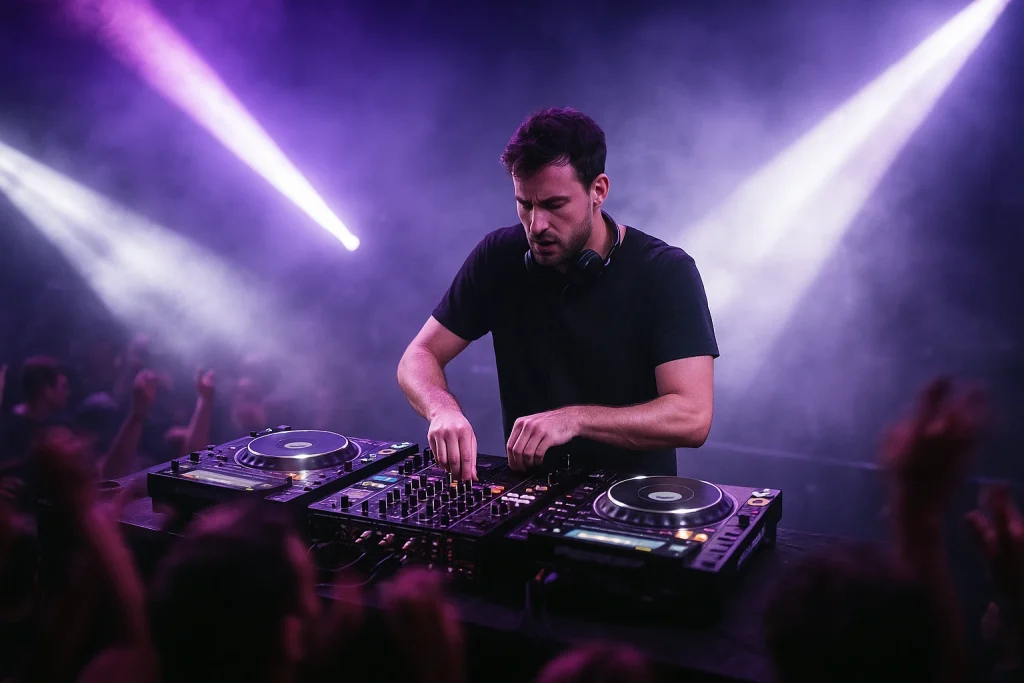
Whether you’re spinning at high-profile festivals or intimate weddings, it’s imperative to know your worth and communicate it effectively. This guide will dispel common myths, provide expert tips, and help you position yourself strategically for financial success in the DJ profession.
Determining Your DJ Fees
Setting your fees involves more than just picking a number out of thin air. Several factors influence what you can and should charge, including your level of experience, the type of event, and your geographical location. Let’s break these down:
Experience Level
As a DJ, your experience and reputation are significant determinants of your rate. Beginners might charge between $100 to $300 per gig, while mid-level DJs with a few years of experience can command anywhere from $500 to $1,500. Top-tier or celebrity DJs, such as Calvin Harris or David Guetta, can earn upwards of $100,000 per performance.
Event Type
The nature of the event also impacts your fee. Club gigs and private parties typically offer different pay scales. For example, weddings can pay between $1,000 to $3,000, while corporate events might offer higher fees due to larger budgets.
Geographical Location
Your location can greatly influence your earning potential. For instance, DJs in major cities like New York, London, or Berlin often charge more than those in smaller towns due to higher demand and living expenses.
Industry Statistics and Trends
Understanding the broader industry context can help you set competitive rates. According to a 2025 report by DJ Mag, the global DJ industry was valued at $7.4 billion, with a projected annual growth rate of 5.5% through 2026. This growth is fueled by increased demand for live events and the proliferation of music festivals worldwide.
| DJ Level | Average Fee (USD) | Event Types |
|---|---|---|
| Beginner | $100 – $300 | Local clubs, small parties |
| Intermediate | $500 – $1,500 | Weddings, mid-sized venues |
| Professional | $2,000 – $5,000 | Corporate events, large clubs |
| Celebrity | $10,000+ | Festivals, international tours |
Negotiating Your Fee
Negotiation is an essential skill for DJs looking to maximize their earnings. When discussing fees, consider the following tips:
Know Your Value
Understand your unique selling points, whether it’s your technical skills, your music selection, or your ability to engage a crowd. This can give you leverage in negotiations.
Be Transparent
When negotiating, be clear about what your fee includes. This could be setup time, travel expenses, and equipment usage. Transparency helps build trust with clients.
Flexible Packages
Offer different pricing tiers or packages to accommodate various client budgets. This flexibility can make you more appealing to potential clients.
Common Myths About DJ Fees
Several misconceptions about DJ fees can mislead new entrants to the industry. Let’s debunk some of these myths:
Myth: The Higher the Fee, the Better the DJ
While a higher fee may suggest experience or popularity, it doesn’t always equate to better quality. Many factors contribute to a DJ’s rate, including their marketing acumen and brand reputation.
Myth: You Must Accept Every Gig
It’s tempting to accept every offer when you’re starting, but being selective about your gigs can improve your brand and allow you to charge more in the long run.
Expert Tips for Setting Your DJ Fees
Here are some insider tips to help you strategically set your DJ fees:
- Research Competitors: Look at what DJs with similar experience levels and market presence are charging. This can provide a baseline for your rates.
- Build Your Brand: A strong personal brand can justify higher fees. Leverage social media platforms, such as SoundCloud and Spotify for Artists, to build a loyal following.
- Regularly Review Your Rates: As you gain more experience and build your reputation, regularly evaluate and adjust your fees to reflect your growth.
- Utilize Professional Networks: Joining DJ pools or networks can expose you to more opportunities and insights on current market rates. Explore our guide on how to get into a DJ pool.
Leveraging Ghost Production for Increased Earnings
Ghost production is a valuable resource for DJs looking to expand their repertoire and potentially increase their fees. By collaborating with a ghost producer, you can create unique tracks tailored to your style, enhancing your brand’s value. Discover how ghost production can help elevate your career with our detailed article on Ghost Producer for DJs.
Additionally, you might want to consider investing in exclusive tracks or custom DJ intros to further differentiate yourself in a competitive market. Learn more about where to get exclusive music as a DJ and explore the options available.
If you’re interested in acquiring ghost-produced tracks, check out our service to buy exclusive ghost-produced tracks that can set you apart from the competition.
Frequently Asked Questions
How do I determine my DJ fee?
Your DJ fee should be based on your experience level, the type of event, and your geographic location. Researching competitor rates and understanding your unique value proposition can also help in setting a fair price.
What should I include in my DJ fee?
Your fee should cover your time, equipment usage, travel expenses, and any additional services you may offer, such as lighting or MC duties. It’s important to be transparent about what is included in your fee.
How can I justify a higher DJ fee?
Building a strong brand, offering specialized services, and consistently delivering high-quality performances can justify a higher fee. Additionally, having a loyal fan base and a unique music selection can help in commanding a premium rate.
Is it beneficial to use ghost production services?
Yes, ghost production services can help you enhance your music library, create unique tracks, and increase your earning potential. By offering exclusive tracks or custom music, you can stand out in a crowded market. Explore more about how ghost production works and its benefits.
Do I need to adjust my rates over time?
Absolutely. As you gain more experience and your reputation grows, it’s essential to periodically reassess and adjust your rates to reflect your current market value and skills.
Last updated:
Stand Out From Every Other DJ
The DJs who get booked and remembered play music nobody else has. Commission exclusive ghost-produced tracks and edits made specifically for your sound.