
DJ Demo Mix Tips – Make a Standout Demo
DJ Demo Mix Tips – Make a Standout Demo
If you’re a DJ looking to make a splash with your demo mix, you’re in the right place. Crafting a compelling demo is both an art and a science, requiring technical precision and creative flair. The goal is to capture attention, showcase your skills, and ultimately get booked. In this comprehensive guide, we’ll delve into essential DJ demo mix tips that cover everything from the basics of track selection to advanced mixing techniques like gain staging, EQ decisions, and bus processing.
In recent years, the bar for DJ demo mixes has risen significantly, with more DJs investing in high-quality production processes to stand out. As a result, understanding elements like home studio acoustic treatment and frequency masking has become crucial. Moreover, knowing how to mix for streaming platforms without over-limiting your sound can make all the difference in how your mix is perceived. Whether you’re a seasoned professional or just starting out, these tips will help you elevate your demo mixes to a professional level.
The Foundation of a Great Demo Mix
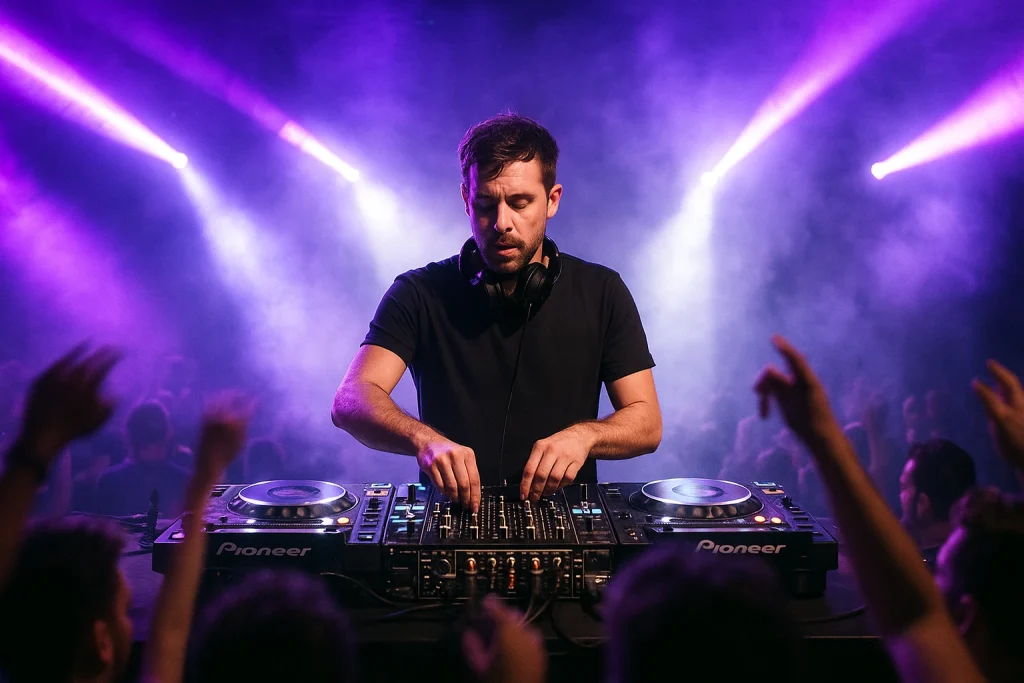
Creating a standout demo mix begins with careful planning and selection of tracks. The tracks you choose will set the tone and flow of your mix, so it’s vital to select tracks that not only resonate with your style but also demonstrate your versatility as a DJ. Start by defining the genre and mood you want to convey and choose tracks that complement each other seamlessly. Utilizing platforms like Beatport for the latest releases can help ensure your mix feels fresh and relevant.
It’s also essential to consider the length of your demo mix. While there’s no hard and fast rule, most industry professionals recommend keeping it between 30 to 60 minutes. This duration is sufficient to showcase your skills without losing the listener’s attention. Remember, quality over quantity is key when it comes to crafting a compelling demo mix.
Professional Mixing Techniques
Gain Staging and EQ Decisions
At the heart of any professional mix is the use of gain staging. This process involves setting the levels of your tracks to prevent distortion and ensure clarity. Proper gain staging is crucial in maintaining headroom and avoiding clipping, especially when your mix is played on large sound systems. Coupled with this is the art of EQing, which is about making both corrective and creative decisions. Corrective EQing involves removing frequencies that clash or cause muddiness, while creative EQing can enhance certain elements to add character to your mix.
Parallel Compression and Bus Processing
Parallel compression is a technique used to add punch and density to a mix without sacrificing dynamics. By mixing a heavily compressed signal with an uncompressed one, you can achieve a fuller sound that still breathes. Bus processing, on the other hand, involves applying effects to a group of tracks simultaneously. This can be an effective way to glue your mix together, giving it a cohesive feel. Many Grammy-winning engineers use these strategies, and mastering them can give your demo mix a professional edge.
Home Studio Acoustic Treatment and Frequency Masking
One common issue that can make mixes sound amateur is inadequate acoustic treatment in your home studio. Reflections and standing waves can cause certain frequencies to be exaggerated or masked, leading to an uneven mix. Investing in basic acoustic treatment, like bass traps and diffusers, can significantly improve your monitoring environment. Additionally, being aware of frequency masking—where certain sounds are obscured by others at similar frequencies—can help you make better mixing decisions.
Mixing for Streaming Platforms
In today’s digital age, most demo mixes will be heard on streaming platforms such as SoundCloud or Spotify for Artists. As such, mixing for these platforms requires a different approach than mixing for physical formats. One critical aspect is avoiding over-limiting your mix, which can strip away dynamics and make your mix sound flat. Aim for a balance where your mix is loud enough to compete but still retains dynamic range.
Common Mistakes to Avoid
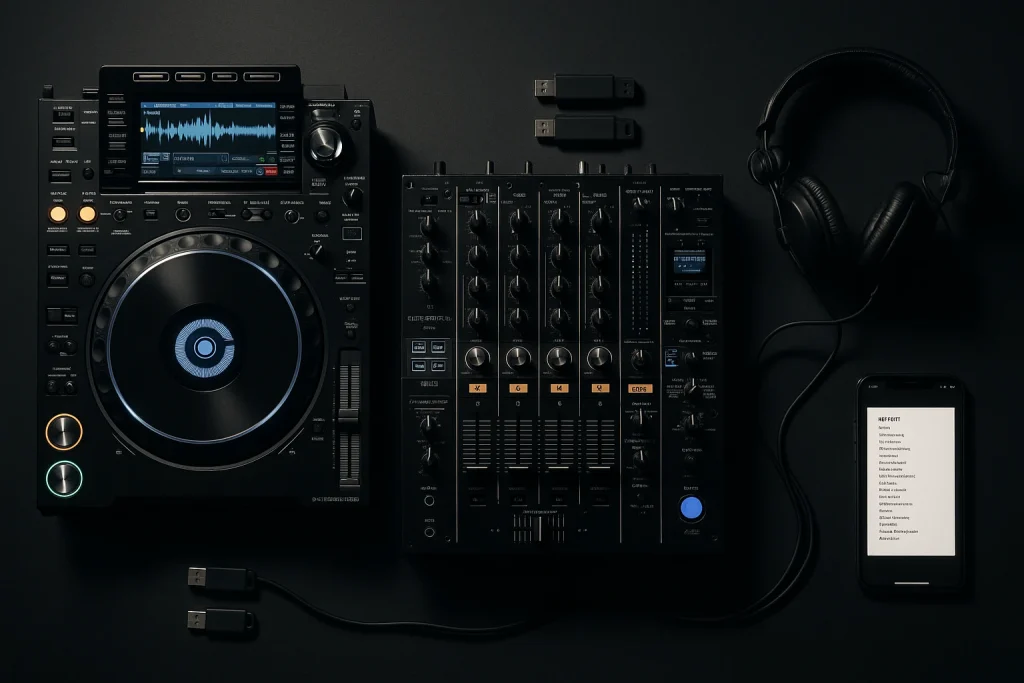
Even experienced DJs can fall into traps that make their mixes sound less polished. One common mistake is over-relying on effects. While effects like reverb and delay can enhance your mix, using them excessively can muddle the clarity of your tracks. Another frequent error is poor transitions between tracks. Smooth transitions are crucial for maintaining the flow of your mix and keeping your audience engaged. Practicing beatmatching and phrasing can help you improve your transitions.
Using Reference Tracks
One of the most effective ways to ensure your mix sounds professional is to use reference tracks. Choose tracks that are similar in style to your mix and compare them to your own work. This can help you identify areas where your mix may be lacking and provide a benchmark for quality. Programs like Splice offer access to a wide range of professionally mixed tracks that can serve as excellent references.
For example, if you’re working on a techno mix, you might reference tracks from well-known techno artists to understand the balance and energy typical of the genre. This can guide your EQ and compression decisions, ensuring your mix holds up against professional releases.
Final Touches and Submitting Your Demo
Once your mix is polished and ready, it’s time to prepare it for submission. Ensure your demo is appropriately tagged with your DJ name and contact information. This might seem obvious, but it’s a step that’s often overlooked. Make use of platforms like Resident Advisor to discover where to submit your demo, and consider reaching out to labels or promoters directly.
If you’re looking to expand your music library with exclusive and unique tracks, consider using resources like exclusive tracks for DJs. The Ghost Production offers custom and ghost-produced tracks, perfect for creating a distinctive mix that stands out.
For those who want to take their production to the next level, exploring services like music production services or purchasing exclusive ghost-produced tracks can be invaluable. These options provide high-quality, unique content that can set your mix apart from the competition.
Frequently Asked Questions
How long should my DJ demo mix be?
An ideal length for a DJ demo mix is between 30 to 60 minutes. This duration is long enough to showcase your skills without losing the listener’s interest.
What are some common mistakes in DJ demo mixes?
Common mistakes include overusing effects, poor track transitions, and inadequate gain staging. Focus on smooth transitions and balanced levels to avoid these pitfalls.
Why is acoustic treatment important in a home studio?
Acoustic treatment helps manage reflections and standing waves, leading to a more accurate listening environment. This ensures your mixes translate well across different playback systems.
How can I make my demo mix stand out?
To make your demo mix stand out, select unique tracks that showcase your style. Consider using exclusive music from sources like The Ghost Production.
What should I include when submitting my demo mix?
Include your DJ name, contact information, and any branding details. Ensure your demo is well-tagged and properly formatted for the recipient.
Last updated:
Stand Out From Every Other DJ
The DJs who get booked and remembered play music nobody else has. Commission exclusive ghost-produced tracks and edits made specifically for your sound.