
Co-Production Music – Collaborate on Tracks
Co-Production Music – Collaborate on Tracks
In the fast-paced world of music production, co-production has emerged as a powerful strategy for artists and producers to enhance their output and creativity. Co-production music involves collaborating with other producers or musicians to create a track, allowing each party to bring their unique skills and perspectives to the table. This method is not only popular among emerging producers but is also a standard practice among industry giants. In this comprehensive guide, we’ll delve into the benefits, historical context, technical details, and practical advice on co-production in music.
The concept of co-production isn’t new. Legendary collaborations have shaped the music industry for decades. For instance, the partnership between Brian Eno and David Bowie in the 1970s resulted in groundbreaking albums like “Low” and “Heroes.” Today, co-production is more accessible than ever, thanks to digital platforms and remote technology. This accessibility has made it possible for artists across the globe to collaborate without ever meeting in person.
According to a 2025 survey by the International Federation of the Phonographic Industry (IFPI), 68% of producers report that collaborating with others has significantly improved their creative process. The rise of platforms like Splice and SoundCloud has further facilitated these collaborations by providing shared workspaces and instant feedback loops.
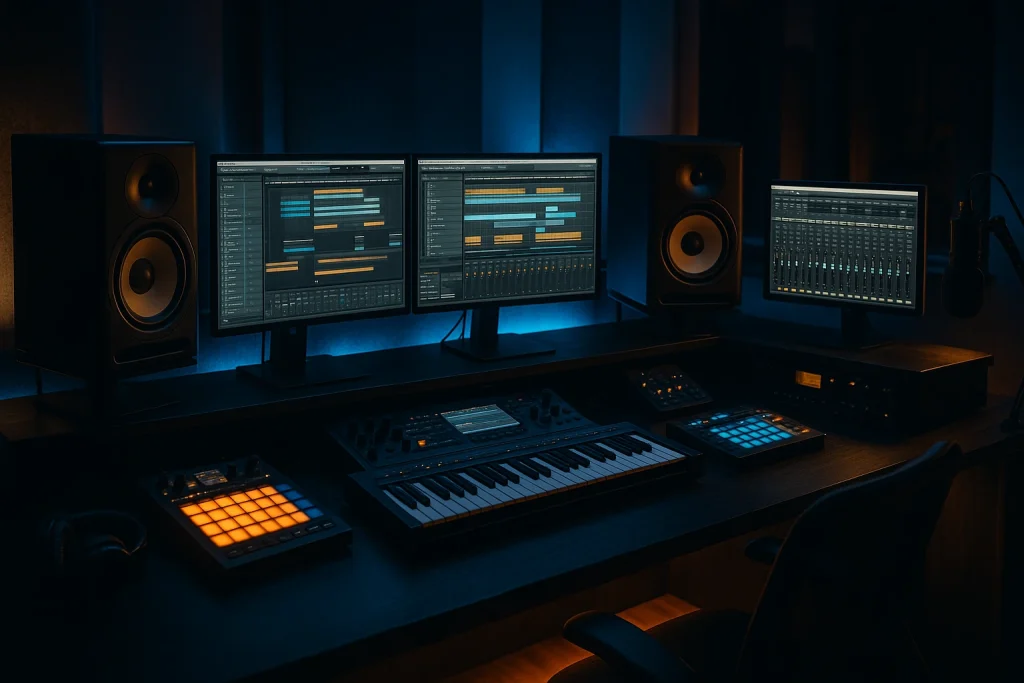
The Benefits of Co-Production Music
Co-production offers numerous benefits, particularly for producers looking to expand their sound palette and learn new techniques. By working with others, producers can gain insights into different production styles and workflows, which can be invaluable in developing their signature sound. Here are some of the key benefits:
- Shared Expertise: Collaborating allows producers to combine their strengths, whether it’s sound design, mixing, or songwriting.
- Access to New Audiences: Co-productions can expose your music to a broader audience, tapping into your collaborator’s fan base.
- Creative Growth: Working with others can push producers out of their comfort zones, leading to innovative and unexpected results.
- Resource Sharing: Co-production often involves sharing physical and digital resources, which can reduce costs and increase efficiency.
For those looking to dive into co-production, it’s essential to understand that this process requires clear communication and a mutual understanding of goals. Platforms like Spotify for Artists provide tools to manage collaborations, including rights management and revenue sharing.
Co-Production in the Music Industry: Historical Context and Modern Trends
The history of music is filled with iconic co-productions. The Beatles, working with producer George Martin, epitomized the power of collaboration, as did Quincy Jones and Michael Jackson during the production of “Thriller.” These partnerships highlight the importance of trust and shared vision in successful collaborations.
In recent years, co-production has evolved with technology. Digital Audio Workstations (DAWs) like Ableton Live and FL Studio have made it easier for producers to collaborate from remote locations. The integration of cloud-based storage and file sharing has further simplified this process, as seen with platforms like Beatport, which offers shared playlists and collaborative tools for DJs and producers.
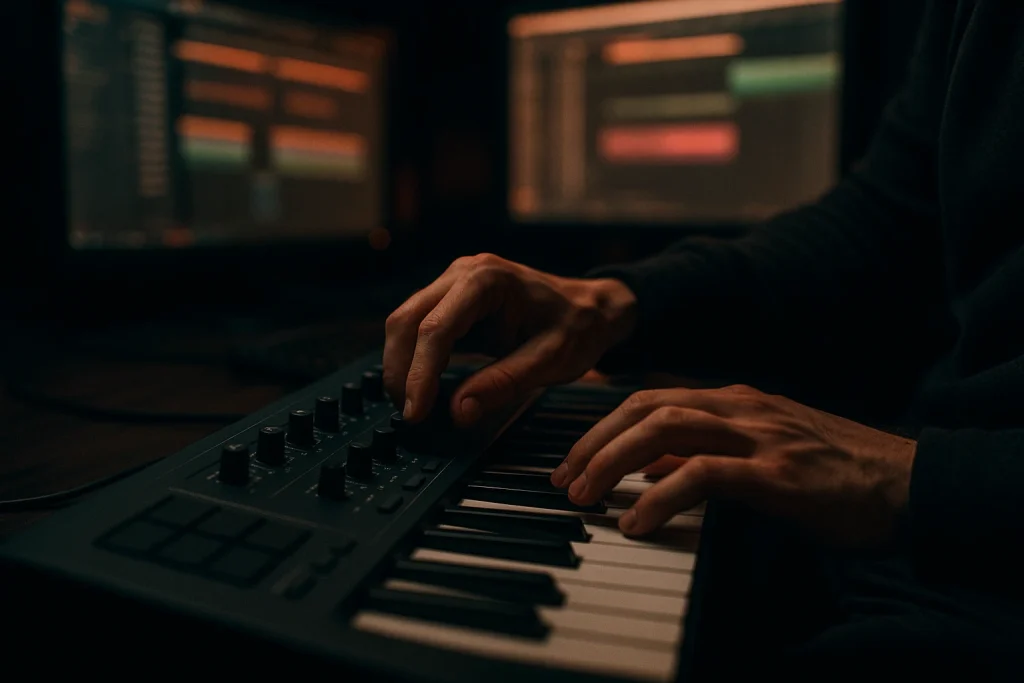
Technical Aspects of Co-Production
Co-production requires a certain level of technical proficiency to ensure smooth collaboration. Here are some technical considerations:
Choosing the Right Tools
Selecting the appropriate software is crucial for effective co-production. Many producers opt for DAWs that offer robust collaboration features, such as Ableton Live’s Link or Logic Pro’s shared projects. It’s essential to ensure that all collaborators are using compatible software to avoid technical issues.
File Management and Sharing
Efficient file management is critical in co-production. Using cloud services like Dropbox or Google Drive can facilitate seamless file sharing and version control. It’s also beneficial to establish a clear naming convention for files to avoid confusion.
Communication and Feedback
Maintaining open lines of communication is vital. Tools like Slack or Discord can be used for real-time discussions, while platforms such as Trello or Asana can help manage tasks and deadlines.
Actionable Tips for Successful Co-Production
To make the most out of your co-production efforts, consider the following tips:
- Set Clear Objectives: Before starting a project, define the goals and expectations with your collaborator. This can prevent misunderstandings and ensure that both parties are aligned.
- Be Open to Feedback: Constructive criticism is a vital part of the creative process. Be receptive to your collaborator’s input and be willing to iterate on your ideas.
- Document Everything: Keep detailed notes on your project, including creative decisions and technical settings. This documentation can be invaluable for future reference.
- Utilize Contracts: While not always necessary, a formal agreement can protect both parties’ rights and outline the terms of the collaboration.
Common Myths vs. Realities in Co-Production
There are several misconceptions about co-production that can deter producers from exploring its potential. Let’s debunk some common myths:
Myth: Co-Production Dilutes Your Creative Vision
Reality: While it’s true that collaboration involves compromise, co-production can enhance your creative vision by introducing new ideas and perspectives.
Myth: Co-Production is Only for Beginners
Reality: Many seasoned producers engage in co-production to stay relevant and innovative. It’s an opportunity to learn and grow, regardless of your experience level.
Myth: You Lose Control Over the Final Product
Reality: Effective communication and mutual respect allow co-producers to maintain control and ensure that the final product meets both parties’ standards.
Leveraging Co-Production for Career Growth
For producers looking to expand their careers, co-production offers a pathway to increased visibility and collaboration with established artists. Platforms like Resident Advisor provide insights into potential collaborators and industry trends, making it easier to connect with like-minded individuals.
The Ghost Production offers a range of services that can facilitate co-production, including custom music production and access to professional ghost producers. These services allow artists to focus on creativity while leveraging the expertise of seasoned producers. For those interested in exploring these options, consider visiting their pages on Music Production Services or learning How Ghost Production Works.
Frequently Asked Questions
What is the difference between co-production and collaboration?
Co-production specifically involves two or more producers working together on a track, sharing the creative and technical responsibilities. Collaboration can refer to any joint effort, including working with singers or instrumentalists.
How can I find co-producers to work with?
There are numerous online communities and platforms where you can connect with potential collaborators. Websites like Splice and social media groups dedicated to music production are great places to start.
Do I need a contract for co-production?
While not always required, a contract can protect both parties’ rights and outline the terms of the collaboration, such as revenue sharing and credit allocation.
Can co-production help me get signed to a label?
Yes, co-producing with established artists or producers can increase your visibility and credibility, making it more likely for labels to take notice. Check out resources on How to Get Signed as a Producer for more insights.
What resources does The Ghost Production offer for co-production?
The Ghost Production provides various resources, including access to professional ghost producers and custom music production services. These can enhance your co-production efforts and streamline the creative process.
Last updated:
Ready to Scale Your Music Output?
Release more music, hit more deadlines, and build a stronger catalog — with professional ghost production that sounds exactly like you.