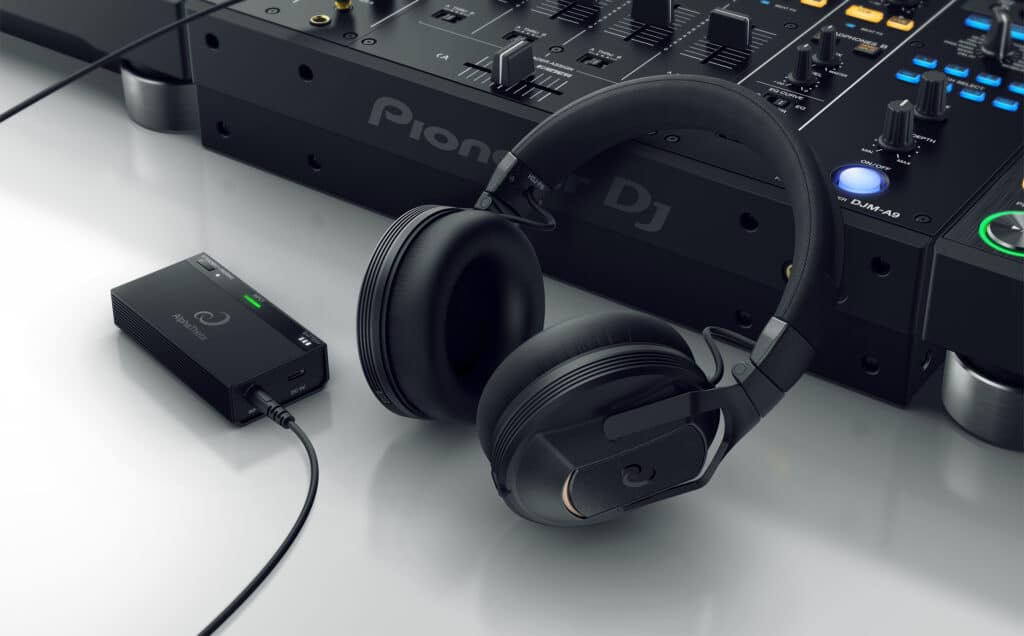
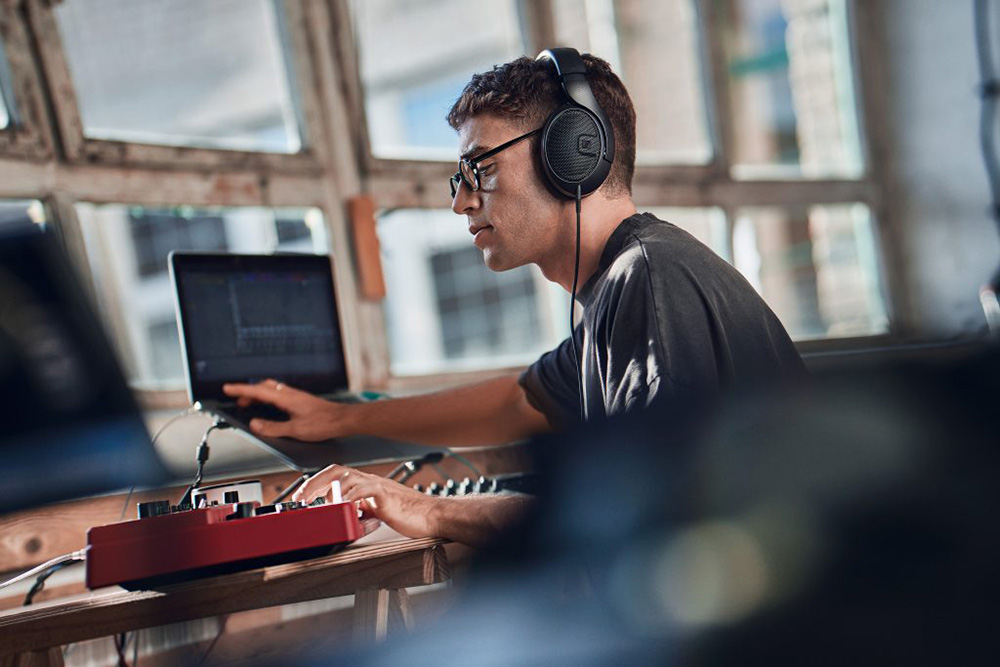
When you’re playing a live set, producing beats in your studio, or just mixing at home, having the best DJing headphones makes all the difference. With so many brands and models out there, choosing the right pair in 2025 can be overwhelming. That’s why we’ve created this comprehensive guide — to help you pick the best DJing headphones that match your sound, setup, and budget. Whether you’re an aspiring artist or a touring professional, the right pair of headphones will drastically improve your performance and workflow. Let’s dive into the top models available in 2025 and explore what makes them stand out. What Makes the Best DJing Headphones? To find the best DJing headphones, it’s important to understand what sets them apart from regular headphones. DJ headphones are specially designed for loud environments, one-ear monitoring, and intense live use. Here’s what to look for: Top 7 Best DJing Headphones in 2025 Below are our top picks for the best DJing headphones this year — tested and trusted by professionals around the world. 1. Sennheiser HD 25 – The Iconic Standard The Sennheiser HD 25 is widely regarded as one of the best DJing headphones ever made. Its compact design, incredible isolation, and road-tested durability have made it a staple for decades. ✅ Pros: ❌ Cons: Best for: DJs who want a lightweight, dependable, and professional-grade headphone. 2. Pioneer HDJ-X10 – Club-Ready Power The Pioneer HDJ-X10 is a premium choice designed for loud clubs and high-pressure gigs. With an extended frequency range and incredible comfort, it’s easily one of the best DJing headphones in 2025 for serious performers. ✅ Pros: ❌ Cons: Best for: Festival and club DJs who need durability and top-tier sound. 3. AIAIAI TMA-2 DJ Wireless+ – Modular & Modern One of the most innovative DJ headphones on the market, the TMA-2 DJ Wireless+ offers ultra-low latency and full wireless functionality. If you’re looking for the best DJing headphones with flexibility, this is it. ✅ Pros: ❌ Cons: Best for: DJs who want a future-ready, modular wireless setup. 4. V‑Moda Crossfade M‑200 – Style Meets Studio Quality These headphones strike a balance between DJ functionality and studio-grade performance. The Crossfade M‑200 is one of the best DJing headphones for those who also produce music or care about aesthetics. ✅ Pros: ❌ Cons: Best for: DJ-producers who value both sound and style. 5. Technics EAH-DJ1200 – Turntable Legacy Technics brings its legendary engineering to headphones with the DJ1200. These are purpose-built for one-ear monitoring and clear midrange, making them among the best DJing headphones for vinyl lovers and scratch DJs. ✅ Pros: ❌ Cons: Best for: DJs using turntables and vinyl setups. 6. Allen & Heath XONE XD2-53 – Bass-Lover’s Favorite Built to match the iconic XONE mixers, these headphones deliver powerful bass and precise highs. A hidden gem, and undoubtedly one of the best DJing headphones for techno, house, and bass-heavy genres. ✅ Pros: ❌ Cons: Best for: DJs who prioritize low-end clarity and club-level performance. 7. AlphaTheta HDJ-F10 TX – Pro Wireless Revolution AlphaTheta’s latest model uses new SonicLink wireless tech with only 9ms latency — game-changing for DJs. It’s the most advanced headphone Pioneer has released, easily earning its spot as one of the best DJing headphones in 2025. ✅ Pros: ❌ Cons: Best for: DJs who want the freedom of wireless without compromising on performance. Best DJing Headphones for Beginners If you’re just starting out, you don’t need to spend a fortune. Here are some of the best DJing headphones for beginners in 2025: These models give you reliable performance, excellent audio, and all the basics needed to start DJing without compromise. Wired vs Wireless: What’s Better? While wireless headphones are improving quickly, most professionals still trust wired for the highest reliability. Wired DJ Headphones: Wireless DJ Headphones (in 2025): For cueing and beatmatching in a professional setting, wired is still the gold standard. But in 2025, the best DJing headphones now include wireless models that are good enough for even high-end use. What Headphones Do Professional DJs Use? These legends rely on some of the best DJing headphones available today for their signature sound and performance. Are Noise-Canceling Headphones Good for DJing? No. Active noise cancellation can interfere with timing and response. DJs should always choose closed-back headphones that provide passive isolation instead. That’s why most of the best DJing headphones are designed specifically to isolate without ANC. Final Comparison Table Model Best For Wireless Price Sennheiser HD 25 Durability & clarity No ~$130 Pioneer HDJ-X10 Loud club sets No ~$349 AIAIAI TMA-2 W+ Wireless modular setup Yes ~$299 V-Moda M-200 DJs & producers No ~$350 Technics DJ1200 Turntablists No ~$200 Allen & Heath XD2-53 Bass lovers No ~$249 AlphaTheta HDJ-F10 TX Wireless pros Yes ~$399 Conclusion Finding the best DJing headphones in 2025 means looking at your personal DJ style, preferred setup, and whether you need wireless functionality. Every option on this list is club-tested and ready for the demands of modern performances. For most DJs, the classic Sennheiser HD 25 is still unbeatable in terms of value, quality, and legacy. If you want innovation, go for the AlphaTheta HDJ-F10 TX or the AIAIAI TMA-2 Wireless+ — both representing the future of DJ gear. Just starting out? Along with the right headphones, having professional tracks can give your DJ profile a major boost. Browse exclusive music at The Ghost Production and perform with confidence.
If you’re wondering how to set up Spotify as an artist, this guide walks you through every step—from creating a Spotify account to claiming your artist profile and getting your music heard by thousands of listeners. Whether you’re a beatmaker, singer, or producer, Spotify for Artists gives you the tools to promote your music professionally and grow your fanbase. Step 1: How to Set Up Spotify as an Artist with a Regular Account Before you can access Spotify for Artists, you need a basic Spotify user account. Go to spotify.comClick Sign UpEnter your email, password, display name, birthdate, and genderConfirm your email to activate the account You’ll use this personal account to log in and manage your Spotify artist profile. Step 2: Use a Distributor to Upload Music to Spotify To appear on Spotify as an artist, you must release music through a distributor—Spotify doesn’t accept direct uploads. Top platforms include:DistroKid – Unlimited uploads, fast deliveryTuneCore – Good royalty splitsCD Baby – Great for physical/digitalAmuse – Free plan for beginnersLANDR – Also offers mastering and AI tools Distribute your music, and once it’s live or scheduled, you’re ready to complete your Spotify artist setup. Step 3: How to Claim and Set Up Spotify for Artists Account Now that your release is submitted, it’s time to officially set up Spotify as an artist by claiming your profile. Go to Spotify for ArtistsLog in using your personal Spotify accountSearch for your artist nameSelect and claim your profileVerify identity via distributor or social links Once approved, you can access real-time data, manage your public artist profile, and start pitching your music. Step 4: Customize and Optimize Your Artist Profile To look professional and stand out on Spotify, make sure you customize your artist profile fully. Add a high-quality profile and banner imageWrite an engaging artist bio with genre keywordsLink your Instagram, TikTok, and YouTubePin an Artist Pick (your latest release, playlist, or upcoming show)Add team members if you have a manager or label rep Optimizing your Spotify artist setup makes it easier for fans and curators to trust and follow you. Step 5: Track Growth with Spotify for Artists Tools One of the benefits of setting up Spotify as an artist is access to powerful analytics. You can view:Live stream counts and listener trendsPlaylist performance and savesDemographics like country, gender, ageWhere your listeners are coming from (search, algorithmic, or playlist) These insights are crucial for shaping your release strategy and targeting fans more effectively. Step 6: How to Submit Songs to Spotify Playlists Spotify gives every verified artist the chance to pitch tracks to editorial playlists like New Music Friday or Fresh Finds. Log into your Spotify for Artists dashboardGo to the “Upcoming” tabChoose a track and fill out the pitch formSubmit it at least 7 days before the release date If you want your tracks to perform well, playlist pitching should always be part of your strategy after you set up Spotify as an artist. Step 7: Promote Your Artist Account Everywhere After you’ve learned how to set up Spotify as an artist, the next step is getting fans to listen and follow your profile. Share Spotify links in your bio and storiesUse Spotify Codes for flyers and merchCreate Promo Cards for your tracks and playlistsEmbed your Spotify player on your websiteRun social ads with direct links to your music Treat your Spotify profile like your official music homepage and push traffic toward it regularly. Step 8: Keep Releasing Music Consistently The Spotify algorithm rewards artists who stay active and release music frequently. Here’s how to maintain growth after setting up your artist account: Release music every 4–6 weeksTry acoustic versions, remixes, or collaborationsUpdate your Artist Pick with each dropUse tools like Hypeddit or Feature.fm for pre-savesStay active on Instagram, TikTok, and YouTube Shorts to create momentum around releases Consistency is key to growing after you set up Spotify as an artist. Step 9: Collaborate with Other Verified Artists Collaboration helps you reach new audiences, gain more streams, and build industry relationships. Tag each other on SpotifyUse split royalty features via DistroKid or TuneCoreShare each other’s playlistsCreate cross-promotional content for social media Spotify recognizes collabs as separate releases for both artists, so it’s a great way to expand your reach. Step 10: Use All Available Spotify Tools for Artists Here are some advanced tools available once you’ve set up Spotify as an artist: Spotify Canvas – 8-second looping videoSpotify Clips – short artist story videosDiscovery Mode – Spotify promotes your music in algorithmic playlistsMarquee (invite only) – full-screen release campaignsLive show integrations – display your tour dates via Songkick Exploring these tools can give you a competitive edge on the platform. Conclusion: Why You Should Set Up Spotify as an Artist Today Understanding how to set up Spotify as an artist is essential if you want to build a serious music career in 2025 and beyond. Once your music is distributed and your artist profile is claimed, you unlock access to powerful tools, insights, and playlisting opportunities that help you grow faster. Whether you’re a new producer or an experienced musician, now is the time to set up Spotify as an artist, get verified, and start building your audience globally. Need ready-to-release tracks for your next project? Browse exclusive ghost-produced music here.
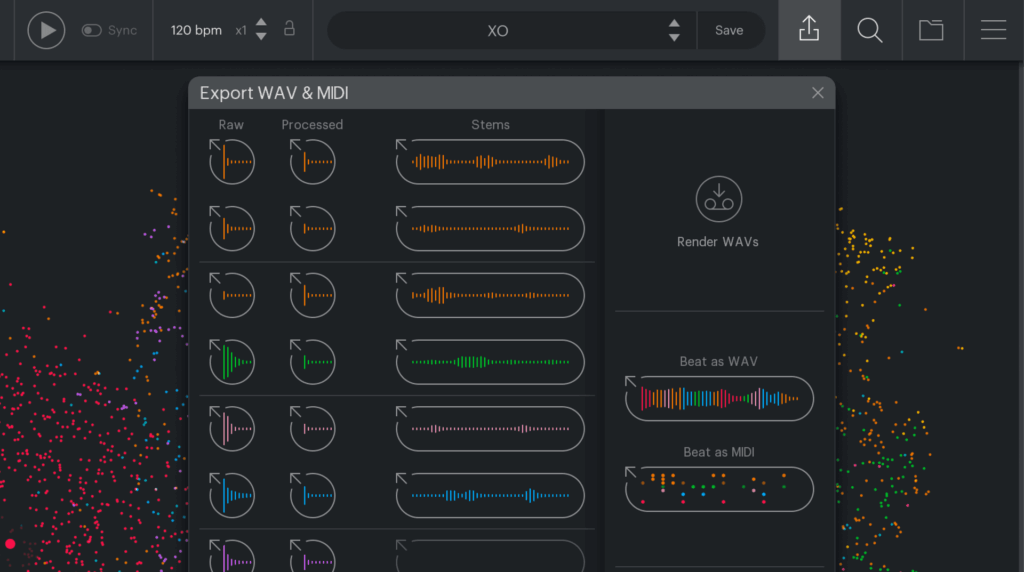
As we enter the second half of the year, it’s time to take a look at the best VST plugins of 2025 that are shaping music production trends across genres. Whether you’re a bedroom producer or a professional engineer, these tools are helping to define modern sound design, mix engineering, and creative workflows. In this article, we break down the top 10 VST plugins of 2025 (so far) that every producer should know about. From game-changing synths to mixing essentials, each plugin here has proven its worth in studios around the world. 1. Arturia Pigments 5 Arturia’s Pigments continues to evolve, and version 5 makes it one of the most powerful and visually intuitive VST plugins of 2025. It now features a brand-new “Spectral Engine” and improved modulation routing that opens up endless possibilities for sound design. Why it’s one of the best VST plugins of 2025: 2. UAD Spark Native Bundle Universal Audio shocked the industry in late 2024 by fully embracing native plugin development. In 2025, their Spark Bundle includes top-tier emulations of analog compressors, EQs, and tape machines—all without the need for DSP hardware. Why it’s trending in 2025: 3. Baby Audio Transit A fresh entry making waves in 2025 is Baby Audio’s Transit. It’s a transition designer that allows you to automate complex build-ups, drops, and breakdowns with ease. Perfect for EDM, pop, and cinematic producers. Key Features: 4. Oeksound Bloom From the creators of Soothe and Spiff comes Bloom—a dynamic EQ tailored for mixing vocals and mastering. Already considered a must-have VST plugin of 2025, Bloom adds glue and clarity in seconds. Standout Aspects: 5. Spectrasonics Omnisphere 3 (Beta) Omnisphere 3 is still in its beta stage but has taken the producer world by storm. With modular synthesis, new granular tools, and deep sound source layering, it’s redefining what a soft synth can be. Why it ranks in the top VST plugins of 2025: 6. Kilohearts Phase Plant 2 Phase Plant 2 builds on its modular foundation and introduces real-time spectral editing, improved CPU efficiency, and AI-generated patch suggestions. What’s new in 2025: 7. FabFilter Pro-Q 4 FabFilter continues its reign with Pro-Q 4, the latest version of their industry-standard equalizer. This update introduces real-time AI EQ suggestions, a saturation module, and A/B referencing tools. Why producers love it in 2025: 8. Soundtoys Superplate An upgrade to their classic Little Plate, Soundtoys’ Superplate brings five different plate reverb models with modulation, pre-delay, and dynamic control. Great for: 9. Slate Digital MetaTune 2 Auto-tuning has never sounded smoother. MetaTune 2, the successor to Slate’s vocal tuning plugin, now includes formant shifting, multi-track linking, and genre-based tuning presets. Why it’s one of the must-have VST plugins of 2025: 10. XLN Audio XO 2 XO 2 continues to innovate drum production. Its AI-powered sample organization, genre tagging, and advanced beat programming tools make it a go-to for beatmakers. Why XO 2 stands out in 2025: Final Thoughts Whether you’re producing club bangers, cinematic scores, or commercial pop, the VST plugins of 2025 are offering more creativity, efficiency, and accessibility than ever. The rise of AI-assisted tools, enhanced UIs, and powerful synthesis engines has made 2025 a golden year for plugin innovation. Producers are always looking for ways to stand out, and these VST plugins of 2025 give you the edge. Stay ahead of the curve and upgrade your toolbox with these game-changers.
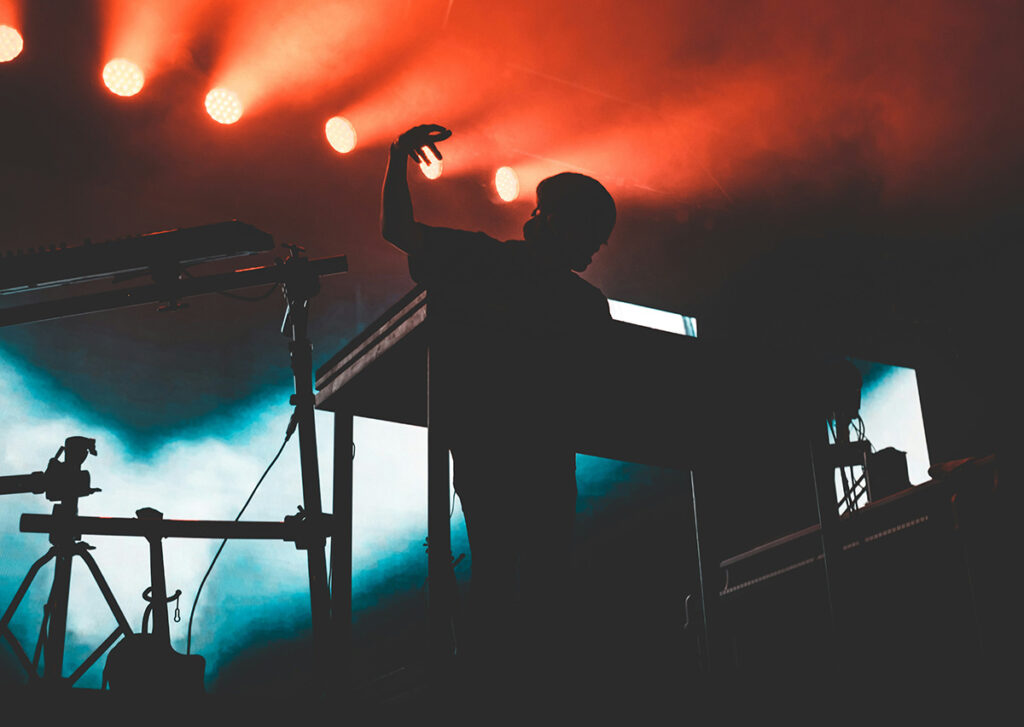
How to Master the Art of Live DJing and Stage Presence is a question every DJ must ask themselves. Live DJing is more than just mixing tracks; it’s about creating an atmosphere, connecting with your audience, and delivering an unforgettable performance. Learning how to master the art of live DJing and stage presence is crucial for any DJ who wants to stand out and create lasting impressions. Whether you’re performing at a small club or a massive festival, mastering live DJing and stage presence is essential to success. What is Live DJing? How to master the art of live DJing and stage presence involves more than just playing tracks—it’s about curating an experience. As a DJ, you control the flow of music, interact with the crowd, and set the tone for the night. Unlike pre-recorded sets, live DJing is a dynamic process where your ability to read the crowd and adapt on the fly is crucial. It’s a blend of musical knowledge, technical expertise, and performance. Whether you’re mixing genres, creating mashups, or scratching vinyl, the goal is to deliver a seamless and energetic performance that connects with the audience. To truly master the art of live DJing and stage presence, you must develop your skills in reading the crowd, selecting the right tracks, and enhancing your stage presence. How to Master the Art of Live DJing and Stage Presence: Key Skills Every DJ Must Master 1. Understanding Your Equipment A DJ is only as good as the gear they use, and mastering your equipment is the first step to becoming a great live DJ. Here are the key components of your DJ setup that you need to master to perfect live DJing and stage presence: 2. Beatmatching and Mixing How to master the art of live DJing and stage presence starts with perfecting your beatmatching and mixing skills. Beatmatching is the art of aligning the tempos of two tracks to ensure a smooth transition between them. Here’s how you can master beatmatching: For more on beatmatching techniques, check out Digital DJ Tips’ guide to beatmatching. 3. Building a Set That Engages the Crowd When you step onto the stage, your job is to keep the crowd engaged. This means selecting tracks that flow well together, building energy, and knowing when to bring it down for a breather. Here’s how to build a set that will engage the crowd: If you’re looking for professional tracks to feature in your live DJ set, explore the exclusive selection at The Ghost Production. 4. Reading the Crowd One of the most essential skills in live DJing is being able to read the crowd. Knowing when to change the tempo, drop a new track, or build the energy is key to maintaining the crowd’s attention. Here’s how to improve your crowd-reading skills: 5. Stage Presence: Commanding the Room Stage presence is about more than just looking cool behind the decks—it’s about being an entertainer. Your energy, body language, and interaction with the crowd are all part of what makes your performance memorable. Here’s how to build your stage presence: 6. Handling Mistakes and Technical Issues In live DJing, mistakes are inevitable. Whether it’s a track skipping, a delay in transitioning, or an unexpected technical glitch, it’s how you handle these issues that separates the pros from the amateurs. 7. Live DJing and Social Media Engagement Social media has become an essential part of a DJ’s brand. Use platforms like Instagram, TikTok, and YouTube to connect with your fans and promote your live sets. For tips on growing your DJ brand through social media, check out this helpful guide on social media strategies for DJs.
In the world of music production, having the right equipment is the difference between an amateur-sounding track and a professional-grade masterpiece. One of the most crucial pieces of gear? A pair of high-quality music production headphones. While studio monitors are excellent for mixing and mastering in well-treated rooms, headphones offer unmatched precision, portability, and flexibility. Whether you’re a bedroom producer, a traveling artist, or a full-time studio professional, choosing the best music production headphones can transform your workflow and final output. In this guide, we’ll cover everything you need to know: What Are Music Production Headphones? Music production headphones are designed specifically for critical listening tasks like mixing, mastering, sound design, and recording. Unlike consumer headphones, which often emphasize bass or compress frequencies for a more “pleasing” sound, production headphones offer a flat and neutral frequency response, allowing you to hear every detail exactly as it is. This clarity is essential when making decisions about EQ, compression, stereo imaging, and overall mix balance. Why Not Use Regular Headphones? Regular or consumer-grade headphones—like the ones that come with your phone—are built for enjoyment, not accuracy. They often color the sound by boosting bass or treble, masking imperfections in your track. In contrast, music production headphones: Types of Music Production Headphones There are three main types of headphones used in music production: 1. Closed-Back Headphones These headphones are sealed around the ear, minimizing sound leakage. They’re perfect for recording sessions, especially with vocals or live instruments, where microphone bleed is a concern. Pros: Cons: 2. Open-Back Headphones These allow air and sound to pass through the back of the ear cups, providing a more natural and spacious soundstage. They’re ideal for mixing and mastering. Pros: Cons: 3. Semi-Open Headphones A compromise between open and closed-back designs, offering some sound isolation while retaining a natural sound profile. Pros: Cons: Key Features to Look for in Music Production Headphones When buying music production headphones, consider the following: 1. Frequency Response Look for headphones with a wide and flat frequency response (e.g., 10 Hz – 30 kHz). A flat response helps in making more objective mixing decisions. 2. Comfort and Build Quality You’ll wear them for hours, so comfort matters. Look for adjustable headbands, cushioned ear pads, and lightweight designs. 3. Impedance High-impedance headphones (over 80 ohms) require an audio interface or headphone amp to sound their best. Low-impedance models work well with laptops and mobile devices. 4. Durability A solid build with replaceable parts (like ear pads or cables) can significantly extend lifespan—especially if you’re gigging or traveling. 5. Cable Type and Length Coiled vs. straight cable is a matter of preference, but detachable cables are always a plus for replacements. Best Music Production Headphones in 2025 Here are the top music production headphones in 2025, selected based on sound accuracy, comfort, and real-world usage by producers. 1. Sennheiser HD 400 PRO (2025 Edition) Type: Open-backImpedance: 120 ohmsWhy it’s great: Sennheiser refreshed the HD 400 PRO in 2025 with better drivers and improved comfort. These are open-back headphones with an incredibly honest frequency response, perfect for mixing and mastering. Pros: Best For: Mixing and mastering 2. Beyerdynamic DT 1990 PRO Type: Open-backImpedance: 250 ohmsWhy it’s great: Loved by professionals for years, the DT 1990 PRO remains a go-to in 2025. The spatial imaging is fantastic, and the clarity across the spectrum is unbeatable. Pros: Best For: Mixing, mastering, analytical listening 3. Audio-Technica ATH-M70x Type: Closed-backImpedance: 35 ohmsWhy it’s great: Audio-Technica’s top-tier closed-back headphone delivers excellent isolation and a surprisingly flat sound. A great all-rounder for producers who do both mixing and recording. Pros: Best For: Recording, mobile production, closed environment mixing 4. Audeze MM-500 Type: Open-back (Planar Magnetic)Impedance: 18 ohmsWhy it’s great: Developed with producer Manny Marroquin, the MM-500 offers reference-grade sound with a spacious stereo field. 2025 models have been upgraded for comfort and better weight distribution. Pros: Best For: High-end studio use, mastering, audiophile mixing 5. Focal Listen Professional 2025 Type: Closed-backImpedance: 32 ohmsWhy it’s great: The 2025 update brings more durability and an enhanced low-end. These headphones strike the perfect balance between studio accuracy and portability. Pros: Best For: Home studios, portable setups, general production 6. Sony MDR-MV1 Type: Open-backImpedance: 24 ohmsWhy it’s great: A new addition from Sony tailored for immersive mixing and spatial audio, this model is gaining popularity fast in 2025, especially among electronic and cinematic producers. Pros: Best For: Spatial mixing, immersive genres, ambient music production Budget-Friendly Music Production Headphones in 2025 You don’t need to spend a fortune. These models are highly rated by beginner and intermediate producers: How to Use Music Production Headphones Effectively Even the best headphones won’t guarantee great mixes unless you use them correctly. Here are some tips: 1. Check Mixes on Multiple Systems Your headphones are just one reference point. Always check your mix on studio monitors, car speakers, and earbuds. 2. Use Reference Tracks Listen to professionally mixed tracks in your genre on your headphones. This helps you calibrate your ears and understand how a great mix should sound. 3. Take Breaks Headphones can cause ear fatigue. Take regular breaks to maintain objectivity. 4. Consider a Headphone Amp If your headphones have high impedance, a dedicated amp can greatly improve audio quality and dynamic range. 5. Use Correction Software Tools like Sonarworks SoundID Reference or Waves Nx can simulate speaker environments and calibrate your headphones for better accuracy. Music Production Headphones vs Studio Monitors Still unsure whether to rely on headphones or invest in monitors? Here’s a quick comparison: Feature Headphones Studio Monitors Portability ✅ ❌ Acoustic Treatment Needed ❌ ✅ Accurate Stereo Image ✅ (Open-back) ✅ Room Simulation ❌ (unless using software) ✅ Noise Isolation ✅ (Closed-back) ❌ Conclusion: Ideally, use both—but if you’re just starting or working in a non-treated room, music production headphones are essential. Final Thoughts: Choosing the Right Music Production Headphones Your headphones are more than just a tool—they’re your window into every detail of your music. In 2025, with options tailored for all
DJing is an exciting and creative art form that has evolved significantly over recent decades. Whether you’re dreaming of headlining festivals or spinning tracks at local clubs, starting your DJ journey requires planning, passion, and dedication. This comprehensive guide covers everything you need to kick-start your DJing career, from equipment essentials to fundamental skills. Understanding What DJing Entails DJing involves mixing, playing, and manipulating recorded music for a live audience. DJs blend tracks seamlessly to create a continuous musical experience. Beyond technical skills, DJing requires understanding the audience, maintaining the vibe, and expressing your unique musical identity. Essential DJ Equipment Before diving into the skills, you’ll need the right tools. Here’s an overview of essential DJ equipment: Choosing Your DJing Style Identify your style early to develop your brand. Common DJ styles include: Learning Fundamental DJing Skills Mastering the basics will set a strong foundation: 1. Beatmatching Beatmatching involves synchronizing two tracks’ tempos. Practice counting beats and using pitch sliders to align rhythms. This skill is foundational for seamless transitions. 2. Phrasing Understanding musical structure, such as intros, choruses, and breakdowns, helps ensure smooth transitions and maintains energy levels. 3. EQ and Mixing Use EQ knobs to balance frequencies between tracks. Removing bass from one track while introducing it from another helps avoid audio clashes. 4. Track Selection and Reading the Crowd The ability to select the right tracks at the right moments differentiates good DJs from great ones. Learn to observe and respond to audience reactions to maintain engagement. Practicing DJing Effectively Regular, focused practice is essential: Developing Your Music Library Build an extensive music collection suited to your DJing style: Building and Releasing Your Music Catalogue To truly stand out and attract attention from labels, promoters, and booking agents, building and releasing your own music catalogue is essential. Platforms like The Ghost Production offer opportunities for DJs and producers to access ready-to-release tracks, providing an effective way to expand your musical offerings and accelerate your visibility. Branding and Promoting Yourself as a DJ Establishing your brand helps attract opportunities: Getting Your First DJ Gig Landing your first gig can be challenging but achievable: Building Confidence and Stage Presence Performing live requires confidence: Advanced DJing Techniques Once comfortable, explore advanced techniques: Staying Inspired and Continuing Your DJ Journey To maintain momentum and passion: Common Mistakes to Avoid in DJing New DJs often encounter pitfalls, but awareness helps avoid them: Investing in Continued DJ Education Consider formal DJ education: Monetizing Your DJ Skills Turning passion into profit involves various paths: Conclusion Starting your DJing journey involves mastering technical skills, acquiring suitable equipment, building your brand, and continually evolving your knowledge and style. Stay passionate, practice diligently, network actively, and always remain receptive to growth and learning. Embrace the process, and your journey in DJing will be as fulfilling as it is exciting.
Xfer Records has officially launched Serum 2, the eagerly awaited follow-up to their groundbreaking wavetable synthesizer. Known for reshaping music production and sound design practices globally, the original Serum swiftly became a must-have tool within EDM, pop, hip-hop, and numerous other musical genres. Now, with the arrival of this second generation, Xfer Records aims to push sonic boundaries further by integrating groundbreaking features that will elevate your music creation experience. What’s New in Serum 2? Expanded Oscillator Engine One of the major updates is its powerful, expanded oscillator engine, offering significant improvements and new sound-shaping possibilities: Advanced Modulation and Performance Controls Serum’s modulation system has received a significant boost: Enhanced Effects Rack The effects section has been significantly upgraded to deliver professional-grade processing: Serum 2 vs. Serum 1: What’s the Difference? Feature Serum 1 Serum 2 Oscillator Types Wavetable Wavetable, Multi-sample, Granular, Spectral Macro Controls 4 Controls 8 Controls Granular Synthesis Not available Available Multi-Sample Support Not available Fully supported Granular Oscillator Not available Included Spectral Oscillator Not available Included Built-in Arpeggiator No Yes FX Rack Enhancements Basic Advanced, more effects Factory Presets Limited Extensive (over 288 new wavetables and presets) Pricing and Availability Xfer Records offers this new version at a competitive price of €189, making it accessible for newcomers and seasoned producers alike. Notably, users who already own the original Serum can upgrade completely free, demonstrating Xfer’s dedication to its community. Who Should Get This Upgrade? The upgraded synthesizer is designed for both veteran Serum users and new producers seeking powerful, intuitive sound-design capabilities. Suitable across various genres including EDM, pop, hip-hop, cinematic, and experimental music, this synthesizer is perfect for anyone who wants to elevate their music production skills. The extensive new features and improved workflow offer significant benefits to producers who value innovation and creative freedom. User Experience Improvements Beyond technical enhancements, Serum 2 also brings a streamlined user interface that enhances usability. New visual feedback features, faster patch browsing, and an intuitive layout allow both novice and professional producers to create sounds efficiently. Conclusion Xfer Records’ latest synthesizer update represents a remarkable advancement in digital sound design. The integration of innovative oscillators, expanded modulation features, enhanced effects processing, and overall user experience improvements position it as an indispensable tool in modern music production. Whether you’re a seasoned pro or just beginning your music journey, investing in this update will undoubtedly expand your creative possibilities. Want to earn from music by ghost producing? Join our platform today!
Tiesto Ghost Producer – Does He Use One? The electronic dance music (EDM) industry is no stranger to ghost production. Many top DJs and producers collaborate with ghost producers to craft their tracks, and Tiesto is often rumored to be one of them. But does Tiesto use a ghost producer? Let’s dive into the facts. Tiesto’s Legacy in EDM Tiesto, born Tijs Michiel Verwest, is a Dutch DJ and producer who has been a dominant force in EDM for decades. From his early trance days to his evolution into big room house and commercial EDM, Tiesto has remained at the top of the game. His ability to adapt to changing trends is one reason why many believe he works with a Tiesto Ghost Producer. Tiesto and Ghost Production: The Speculation Over the years, several producers have been linked to Tiesto Ghost Producer and Industry Speculation. While Tiesto has never publicly confirmed using a ghost producer, many industry insiders and fans believe that he collaborates with behind-the-scenes producers to maintain his prolific release schedule. Producers Rumored to Have worked as Tiesto Ghost Producer Here are some producers who have been rumored to contribute to Tiesto’s music: Why Do Top DJs Use Ghost Producers? Using a ghost producer is not uncommon in the EDM scene. Here’s why: Tiesto’s Take on Ghost Production While Tiesto has never openly admitted to using ghost producers, he has acknowledged working with other artists and co-producers. In an interview, he mentioned that teamwork is a big part of the industry and that many artists collaborate to refine their sound. How Ghost Production Shapes the EDM Industry Ghost production is more than just a behind-the-scenes operation; it plays a crucial role in shaping the EDM industry. Many rising producers start as ghost producers before making a name for themselves in the mainstream scene. The practice allows lesser-known talents to contribute to hit records while staying anonymous. For established artists like Tiesto, working with ghost producers ensures that they can keep up with industry demands while maintaining a consistent sound. Many ghost producers later transition into successful solo careers, proving that the industry thrives on collaboration. Whether or not Tiesto Ghost Producer discussions continue, the practice itself is an integral part of modern EDM production. Conclusion: Does It Matter? Whether Tiesto uses a ghost producer or not, his influence on EDM is undeniable. He has delivered countless hits, shaped the dance music scene, and continues to be a leading figure in the industry. Ghost production is a part of the modern music landscape, and as long as the music resonates with fans, does it really matter who produced it? Related Searches: Are you an aspiring producer looking to break into the industry? Check out The Ghost Production for high-quality ghost-produced tracks!
As an independent artist, getting your music heard can be challenging, especially when working with a limited budget. Thankfully, there are several free music promotion sites that can help you gain exposure, grow your fanbase, and increase your streams without breaking the bank. In this article, we’ll explore the best free music promotion sites in 2025 and how to use them effectively. 1. HearThis.at – The Alternative to SoundCloud HearThis.at is a lesser-known but powerful free music promotion platform. Similar to SoundCloud, it allows artists to upload tracks, create playlists, and connect with listeners. The site also features geo-targeting to help your music reach the right audience. 2. Drooble – Social Network for Musicians Drooble is more than just a free music promotion site—it’s a social network for musicians. You can share your music, receive feedback from fellow artists, and even get airplay on Drooble’s radio station, which helps in organic discovery. 3. Orfium – Monetize & Promote Your Music Orfium is a SoundCloud alternative with better monetization options. It allows independent artists to upload and promote their tracks for free, while also offering licensing and sync opportunities for additional income. 4. Radio Airplay – Get Your Songs Played on Internet Radio Radio Airplay provides free exposure by playing your songs on internet radio stations. Although it has paid options, the free tier still offers opportunities to get spins and reach new listeners worldwide. 5. ReverbNation – Connect with Industry Professionals ReverbNation is a music networking platform where artists can connect with industry professionals. While it has paid features, you can still use free submission tools to apply for performance opportunities and playlist placements. 6. Indie Shuffle – Submit Your Music to Curated Playlists Indie Shuffle is a music discovery platform that helps indie artists gain exposure. By submitting your track, curators can feature your music in playlists, potentially reaching thousands of new listeners. 7. SoundClick – Free Music Store & Promotion SoundClick is a music-sharing platform where you can upload and distribute tracks for free. It also allows artists to sell music, offer free downloads, and connect with listeners who actively discover new music. 8. SubmitHub – Free Music Blog & Playlist Submissions SubmitHub allows you to send your tracks to bloggers, playlist curators, and influencers for free. While the platform has paid options, the free submission feature still provides chances to get featured. 9. Amuse – Free Digital Distribution & Promotion Amuse is a free digital distribution service that helps artists get their music on Spotify, Apple Music, and more. Unlike other distributors, Amuse offers free distribution while also providing promotional insights. 10. Reddit – Share Your Music in Niche Communities Reddit is an underrated but highly effective free music promotion site. Subreddits like r/listentothis, r/WeAreTheMusicMakers, and r/IndieMusicFeedback allow independent artists to share music with potential fans and get real engagement. Final Thoughts Using these free music promotion sites strategically can help you grow your audience and gain traction in the music industry. By leveraging multiple platforms, submitting your tracks to playlist curators, and engaging with listeners, you can maximize your reach without spending a dime. Start promoting your music today and take your career to the next level!
Do ghost producers get royalties? This is a common question in the music industry, and the answer depends on various factors, including contract terms and rights agreements. Do ghost producers get royalties? Ghost production is an integral part of the modern music industry, yet it remains shrouded in mystery. Many aspiring producers wonder whether they can earn royalties from ghost-produced tracks or if they forfeit all future revenue once the track is sold. In this article, we’ll take a deep dive into the financial aspects of ghost production, breaking down the different types of royalties, contract structures, and strategies for maximizing earnings as a ghost producer. What Is Ghost Production? Ghost production refers to the practice of creating music for another artist, DJ, or record label without receiving public credit. The buyer releases the track under their name, while the ghost producer remains anonymous. In exchange for this anonymity, ghost producers typically receive an upfront payment, but the question remains—do they get royalties? Do Ghost Producers Get Royalties? Types of Royalties in Music Before understanding how royalties apply to ghost producers, let’s break down the main types of royalties in the music industry: 1. Mechanical Royalties Mechanical royalties are generated when a song is physically or digitally reproduced and distributed. This includes streams, downloads, CDs, and vinyl sales. These royalties are typically collected by mechanical rights organizations (MROs) like The Harry Fox Agency (HFA) in the U.S. or MCPS in the UK. 2. Performance Royalties Performance royalties are earned when a song is played publicly, such as on the radio, in a club, or through streaming services. Performing rights organizations (PROs) like ASCAP, BMI, and SESAC collect these royalties on behalf of songwriters and publishers. 3. Sync Royalties Sync royalties are generated when a song is used in visual media, such as films, TV shows, commercials, and video games. Sync deals usually involve a one-time licensing fee, and the songwriter may also earn backend royalties. 4. Producer and Master Royalties Some producers negotiate royalties from the master recording, meaning they receive a percentage of sales and streams in addition to their upfront payment. This is more common in traditional music production than in ghost production. Do Ghost Producers Get Royalties? The answer depends on the agreement between the ghost producer and the buyer. Here are the different scenarios: 1. Full Buyout (No Royalties) A full buyout agreement means the ghost producer sells the track outright for a one-time fee, forfeiting any future royalties. This is the most common type of ghost production deal because buyers want exclusive rights to the track without any ongoing obligations. 2. Revenue Sharing (Royalties Included) Some ghost producers negotiate a percentage of the royalties in addition to an upfront payment. In this case, the producer may receive mechanical and performance royalties if properly credited through a PRO or a private contract. 3. Publishing & Songwriting Credits If a ghost producer contributes to the composition (melodies, lyrics, or chord progressions), they can negotiate a publishing split. This means they would be entitled to a portion of performance and mechanical royalties. How to Secure Royalties as a Ghost Producer One of the biggest concerns for ghost producers is the question: Do Ghost Producers Get Royalties? Securing royalties requires careful negotiation and clear contract terms. 1. Negotiate Before Selling the Track Many producers fail to discuss royalties before finalizing a deal. If you want a cut of future earnings, negotiate this upfront. Be clear about what percentage you expect and ensure it is included in a written agreement. 2. Use a Contract A well-drafted contract is essential for any ghost production deal. Clearly define whether royalties are included, who collects them, and how payments will be distributed. Consider hiring a music lawyer to ensure fairness. 3. Register with a PRO If you manage to retain songwriting or publishing rights, register with a performing rights organization (PRO) like ASCAP, BMI, or PRS. This will allow you to collect royalties whenever the track is played publicly. 4. Work with Trustworthy Buyers Reputation matters in ghost production. If a buyer agrees to pay royalties but fails to do so, it can be difficult to enforce. Work with reputable labels, DJs, and artists who honor their agreements. 5. Consider Partial Rights Deals Instead of a full buyout, some producers negotiate a partial rights deal where they retain a small ownership percentage. This ensures they receive long-term revenue without interfering with the buyer’s brand. Common Challenges in Receiving Royalties as a Ghost Producer While the answer to ‘Do Ghost Producers Get Royalties?’ can vary, those who seek royalties often face multiple challenges. 1. Lack of Transparency Since ghost production operates in secrecy, tracking streams and earnings can be difficult. If the buyer doesn’t disclose revenue, the producer may never know if they are owed royalties. 2. Difficulty Enforcing Contracts Even with a contract, enforcing royalty payments can be tricky, especially if the buyer is based in another country. Legal action may not always be worth the time and expense. 3. Industry Standard Practices Most ghost production deals are full buyouts, meaning producers must fight against industry norms to negotiate royalties. Buyers may prefer upfront deals without ongoing obligations. Do Ghost Producers Get Royalties? Upfront Payments vs. Royalties There’s no right or wrong answer—each option has pros and cons: Upfront Payment (Full Buyout) Royalty-Based Payment Many successful ghost producers take a hybrid approach—charging a high upfront fee while retaining a small royalty percentage. Do Ghost Producers Get Royalties? Final Thoughts Yes, ghost producers can earn royalties, but only if they negotiate it upfront. The default industry standard is a full buyout, meaning no royalties are paid after the sale. However, with the right contract, trust, and negotiation, ghost producers can secure long-term earnings from their work. For those entering ghost production, it’s crucial to understand how royalties work and to protect their financial interests. Whether you choose an upfront payment or a revenue-sharing model, always ensure clarity in your agreements to avoid losing