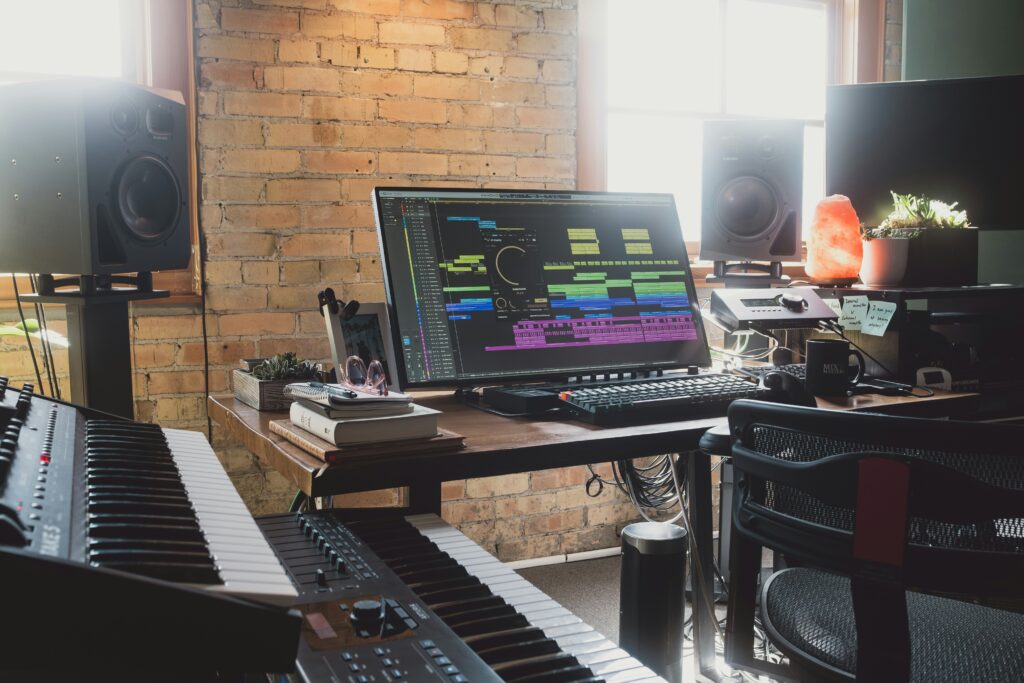
Breaking into the music industry in 2025 is both exciting and challenging. With advancements in technology, the dominance of social media, and evolving industry standards, artists, producers, and entrepreneurs have countless opportunities to succeed. However, thriving in this competitive space requires strategy, adaptability, and persistence. In this guide, we’ll show you how to make it in the music industry in 2025, covering branding, networking, monetization, and leveraging technology. How to Make It in the Music Industry 2025: Trends and Opportunities The music industry continues to evolve, driven by technology and consumer behavior. Key trends in 2025 include: Understanding these trends is the first step to making it in the music industry in 2025. 1. Define Your Role to Make It in the Music Industry 2025 Before diving into the industry, clarify your objectives. Are you: Clearly defining your role helps you focus your efforts and develop a roadmap to success. 2. Build a Strong Personal Brand to Thrive in 2025 Your personal brand is your identity in the music world. A memorable and authentic brand sets you apart from the competition. How to Build Your Brand: Why Branding Matters: A strong brand not only attracts fans but also opens doors to collaborations, sponsorships, and industry recognition. 3. Master Social Media to Make It in the Music Industry 2025 Social media is indispensable for making it in the music industry in 2025. Platforms like TikTok and Instagram are at the forefront of music promotion. Best Practices for Social Media Success: Consistency is key. Post regularly to stay visible and keep your audience engaged. 4. Use Technology to Succeed in the Music Industry 2025 In 2025, technology offers endless tools to improve your music, streamline your workflow, and understand your audience. Must-Have Tools for Musicians and Producers: Embracing technology ensures you stay ahead in the competitive music landscape. 5. Network Effectively to Make It in the Music Industry 2025 Networking is a cornerstone of success in the music industry. Building relationships with other professionals can lead to collaborations, gigs, and mentorship opportunities. How to Network in the Music Industry: Networking isn’t just about gaining contacts—it’s about creating meaningful, mutually beneficial relationships. 6. Monetize Your Music Financial sustainability is crucial for long-term success. Diversifying your income streams helps you weather industry challenges. Key Income Streams in 2025: Diversifying your revenue ensures stability and growth in your music career. 7. Stay Educated and Adaptive The music industry is ever-changing. Staying informed about trends and adapting to new opportunities is essential for success. How to Stay Updated: Being open to change helps you stay relevant and competitive. 8. Collaborate to Succeed in the Music Industry 2025 Collaboration allows you to reach new audiences and improve your craft. Tips for Successful Collaborations: Collaboration is a powerful tool for growth and innovation. 9. Build a Professional Team As your career grows, delegating tasks to professionals can free up your time to focus on creating music. Key Team Members: Investing in a team ensures you can scale your career effectively. 10. Be Patient and Persistent Success in the music industry takes time. Even the most talented individuals face setbacks and challenges. Tips for Staying Motivated: Patience and persistence are as crucial as talent in making it in the music industry in 2025. Conclusion Making it in the music industry in 2025 requires a blend of talent, strategy, and adaptability. By defining your role, building a strong personal brand, mastering social media, and leveraging platforms like TheGhostProduction.com, you can navigate this competitive space successfully. Whether you’re an artist, producer, or entrepreneur, the opportunities are vast—if you’re willing to work for them. Stay consistent, keep learning, and remember: the journey is as important as the destination.
Creating the perfect DJ set requires more than just great tracks—it’s about understanding your audience, reading the room, and crafting a journey that captivates and energizes the crowd. Whether you’re spinning at a club, festival, wedding, or private event, your ability to connect with the audience will make or break the experience. This guide will provide you with actionable steps to create a DJ set that leaves a lasting impression. Step 1: Understand Your Audience Research the Event Before you even think about your playlist, research the event you’re playing at. Ask the following questions: For example, a wedding DJ set might feature pop hits, throwbacks, and crowd-pleasers, while a techno festival demands deeper, more experimental tracks. Know Your Crowd’s Demographics Understanding the demographics helps you predict what the audience will respond to. Older crowds may appreciate classic hits, while younger audiences might prefer trending tracks. Align your DJ set with their preferences to ensure engagement. Step 2: Prepare Your Track Library Organize Your Music A well-organized library is the backbone of a great DJ set. Use tagging and playlists to categorize tracks by: Diversify Your Selection Include a variety of tracks to ensure versatility. Your DJ set should have: Having multiple options allows you to adapt to the audience’s mood in real time. Exclusive Tracks Using exclusive tracks in your DJ set can make your performance stand out. Platforms like TheGhostProduction.com offer a wide range of unique, high-quality tracks across various genres. These tracks are sold with full rights, ensuring your set is truly one of a kind and won’t be duplicated by other DJs. Update Your Library Regularly Stay ahead of the game by keeping your library updated with fresh releases and trending tracks. Online platforms like Beatport, Traxsource, and Spotify can help you discover new music. Step 3: Plan the Structure of Your DJ Set Begin with a Warm-Up Start your DJ set with tracks that ease the audience into the vibe. Keep the energy moderate to allow people to settle in. Build Momentum Gradually Increase the tempo and intensity as the crowd warms up. Each track should build anticipation for the next, creating a smooth journey through different energy levels. Peak at the Right Time Save your biggest tracks for the middle or later parts of your DJ set when the crowd is fully engaged. The peak moments should feel euphoric and memorable. End with Style Close your set with a track that leaves a lasting impression. Whether it’s a high-energy anthem or a chilled-out tune to wind things down, ensure it fits the event’s atmosphere. Step 4: Use Technology to Enhance Your Set Master Beatmatching Seamless transitions are crucial for maintaining the flow of your DJ set. Practice manual beatmatching to ensure your mixes sound professional. Use EQ and Effects Equalization (EQ) and effects like reverb, delay, and filters can add depth to your transitions. Avoid overusing effects, as they can distract from the music. Leverage Harmonic Mixing Harmonic mixing involves matching tracks with compatible keys, creating smoother transitions. Use software like Mixed In Key to analyze your library and identify tracks that blend well together. Step 5: Read the Crowd Observe Audience Behavior Pay attention to how the crowd reacts to your tracks. Are they dancing more to certain genres or tempos? Adjust your DJ set based on their energy. Be Flexible Even the best-planned set might require on-the-spot changes. Be prepared to shift genres or drop a crowd favorite if the vibe demands it. Step 6: Create Smooth Transitions Transition Techniques Use techniques like: Avoid Dead Air Silence can kill the energy of your DJ set. Always have a track queued up and ready to go. Step 7: Add Personal Flair to Your DJ Set Incorporate Remixes and Edits Using your own remixes or exclusive edits can make your DJ set unique and memorable. Tools like Ableton Live are excellent for creating custom versions of tracks. Use Sampling Sampling can add a creative twist to your set. Consider incorporating vocals, sound effects, or loops that enhance the atmosphere. Step 8: Practice, Practice, Practice Rehearse Your Set Run through your DJ set multiple times before the event. This helps you identify any potential issues with transitions, track order, or pacing. Record Your Practice Sessions Recording your practice sessions allows you to analyze your performance and make improvements. Step 9: Engage with the Crowd Use the Microphone Wisely Depending on the event, a few well-timed words on the mic can hype up the audience. Keep it brief and impactful. Interact with the Audience Make eye contact, smile, and respond to the crowd’s energy. Your enthusiasm will encourage them to engage with your DJ set. Step 10: Post-Event Reflection Gather Feedback Ask the event organizer or attendees for feedback on your DJ set. Constructive criticism can help you improve for future gigs. Review Your Performance Analyze what worked well and what didn’t. Keep a record of successful tracks and techniques for future reference. Bonus Tips for Creating the Perfect DJ Set Conclusion Creating the perfect DJ set is both an art and a science. By understanding your audience, preparing meticulously, and staying adaptable, you can deliver a performance that resonates with any crowd. Remember, the ultimate goal is to create an unforgettable experience that keeps people dancing and coming back for more.
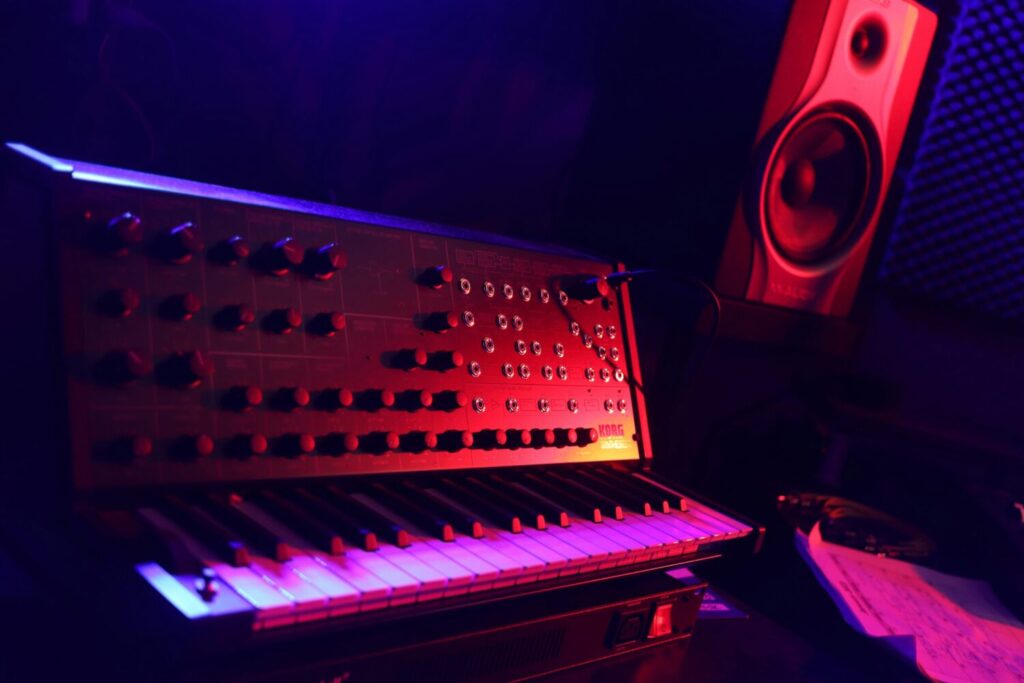
The landscape of Music Production Trends 2025 is reshaping the way music is created and consumed. Producers must stay ahead of these trends to succeed. As we approach 2025, producers and artists alike are adapting to cutting-edge technologies and creative workflows that redefine their craft. Here are the top music production trends to watch in 2025, providing insights into where the industry is headed. 1. AI in Music Production: Leading Trends in 2025 Artificial Intelligence (AI) continues to revolutionize music production. In 2025, AI tools are expected to play an even larger role, not as a replacement for human creativity but as a complement to it. Tools like Suno and Udio are helping producers quickly generate melodies, harmonies, and even full arrangements. While AI opens up new possibilities, ethical concerns about ownership and originality remain critical topics in the music industry. 2. Immersive Audio: A Major Focus in Music Production Trends As listeners demand more engaging and immersive experiences, spatial audio and Dolby Atmos have become key trends. Music production in 2025 increasingly incorporates these technologies to provide 3D soundscapes that captivate audiences. Immersive audio has moved beyond niche applications, becoming a staple for artists and producers looking to stay ahead. 3. Modular Gear and Hybrid Systems in Music Production Trends The resurgence of analog gear combined with digital flexibility remains strong. Producers are investing in modular synthesizers and hybrid hardware to achieve warmth and uniqueness in their sound. The tactile experience of analog gear, paired with the precision of digital tools, will continue to shape production styles in 2025. 4. Remote Collaboration and Cloud-Based Workflows With global connectivity becoming more efficient, remote collaboration is easier than ever. Cloud-based DAWs and project-sharing platforms like Splice and Loopcloud enable producers to work together across continents. These advancements help streamline workflows, making remote projects as seamless as working in the same studio. 5. Sustainability in Music Production As awareness of environmental issues grows, sustainability has become a key concern in the music industry. In 2025, producers are embracing eco-friendly practices: This shift reflects a broader trend toward responsible music production practices. 6. Loop-Based Music and Nonlinear Composition Loop-based workflows are becoming increasingly popular, especially in electronic music and pop. Producers are utilizing tools like Ableton Live’s session view and Bitwig Studio to experiment with nonlinear composition. This trend caters to both live audiences and listeners who crave evolving, multi-layered music. 7. Genre-Blurring and Fusion 2025 is witnessing an explosion of genre-blurring tracks, driven by the accessibility of global music styles through streaming platforms. Producers are blending diverse influences to create new, uncharted genres. Producers who embrace this trend are poised to stand out in a crowded market. 8. Rent-to-Own Software and Subscription Models As software becomes more advanced, the cost of production tools can be prohibitive. Rent-to-own models from companies like Splice and subscription-based platforms are making premium software accessible to everyone. This model democratizes access to professional-grade software, empowering emerging producers. 9. The Rise of Independent Artists and DIY Production In 2025, independent artists are thriving thanks to accessible production tools and direct-to-fan platforms. Producers are taking on more roles, from creating music to marketing and distribution. This trend reflects the growing empowerment of independent creators in the music industry. 10. Focus on Mental Health and Wellness The fast-paced nature of music production can take a toll on mental health. In 2025, producers are prioritizing wellness, supported by new tools and communities. As the industry embraces a healthier approach, the creative process becomes more sustainable. 11. Advanced Sound Design with Granular Synthesis Granular synthesis has emerged as a game-changing technique for sound design. By manipulating small grains of sound, producers are creating unique textures and evolving soundscapes. Granular synthesis is a powerful tool for producers seeking to push sonic boundaries. 12. Personalized Learning Through AI AI-powered learning platforms are tailoring music production education to individual needs. Platforms like SoundGym and Masterclass are integrating AI to help producers improve specific skills. This trend makes professional-level music education more accessible and efficient. Conclusion The music production landscape in 2025 is an exciting fusion of technology, creativity, and global influences. From AI-driven workflows to sustainable practices and immersive soundscapes, Music Production Trends are shaping the future of music. By staying ahead of these developments, producers can unlock new possibilities and elevate their craft to unprecedented heights. Whether you’re an aspiring producer or a seasoned professional, embracing Music Production Trends will ensure your music remains innovative and relevant in an ever-evolving industry. Buy and Sell Ghost Production Tracks Online
Splice has been an industry staple, offering millions of royalty-free samples, loops, and presets for music producers of all genres. However, with new options on the market, producers are exploring alternatives that offer distinct features, better pricing, or unique libraries. Here’s an updated list of the top Splice alternatives in 2025 to elevate your production game. 1. Loopcloud Why Choose Loopcloud?Loopcloud is a powerhouse sample platform, boasting over 4 million samples and an intuitive DAW integration plugin. With Loopcloud, you can audition samples in real-time within your project, making it easy to find the perfect sound for your track. Its sound-matching AI and flexible pricing make it a top choice for producers looking to expand beyond Splice. Key Features: Pricing: Starting at $7.99 per month. 2. Landr Samples Why Choose Landr Samples?As part of Landr’s larger platform, Landr Samples integrates with Landr’s mastering, distribution, and collaboration tools. This streamlined workflow allows you to take a sample from inspiration to production, then directly to distribution. Landr’s carefully curated sample packs cover a range of genres and are all royalty-free, making them ideal for commercial use. Key Features: Pricing: Plans start at $9.99 per month. 3. Noiiz Why Choose Noiiz?Noiiz provides an extensive library of sounds, loops, and presets, similar to Splice, but with added perks like a drag-and-drop DAW plugin for smooth workflow integration. Noiiz’s straightforward subscription model and focus on genre-specific packs make it an affordable and powerful alternative to Splice. Key Features: Pricing: Monthly subscriptions start at $9.99. 4. Tracklib Why Choose Tracklib?Tracklib is perfect for producers who want to sample real songs without worrying about legal issues. Unlike Splice, Tracklib offers fully licensed, original music tracks, giving you authentic sounds that are perfect for hip-hop, electronic, and sample-based production. With easy licensing options, Tracklib has quickly become a favorite among producers who want to create unique, sample-heavy music. Key Features: Pricing: Plans start at $5.99 per month. 5. Cymatics.fm Why Choose Cymatics.fm?Known for its quality sound packs, Cymatics.fm is a Splice alternative specializing in EDM, trap, and hip-hop samples. Cymatics offers both free and premium packs, so producers can access high-quality sounds without a monthly subscription. The platform frequently releases themed packs, each designed by expert sound designers to bring fresh ideas to your tracks. Key Features: Pricing: Pricing varies per pack, with no subscription required. 6. Producer Loops Why Choose Producer Loops?Producer Loops is a popular choice for genre-specific, royalty-free sample packs. Instead of a subscription, Producer Loops operates on a pay-as-you-go basis, which is great for producers who prefer to buy samples only when needed. With an impressive library of genre-focused collections, Producer Loops is ideal for those looking for niche sounds for genres like cinematic, hip-hop, and EDM. Key Features: Pricing: Pack prices vary based on content. 7. Capsun ProAudio Why Choose Capsun ProAudio?Capsun ProAudio is a boutique sample library offering high-quality, unique sounds for producers who want to stand out. Known for its curated and artist-focused collections, Capsun is ideal for electronic, hip-hop, and modern music production, delivering sounds that feel fresh and forward-thinking. Key Features: Pricing: Prices vary per pack. Choosing the Right Splice Alternative for You Whether you’re looking for a large sample library, specific genre packs, or real song samples, there’s a Splice alternative to suit your needs. Each platform offers unique strengths, from Loopcloud’s powerful DAW integration to Tracklib’s easy sample licensing for commercial releases. Choosing a new sample source can breathe life into your productions, introducing fresh sounds and new ideas to your music. With these Splice alternatives, you’re sure to find the perfect fit for your style and workflow, helping you create tracks that stand out. Buy and Sell Ghost Production Tracks
In the fast-paced world of electronic music, where DJs are the heartbeat of the party, delivering a killer live set is essential to stand out from the crowd. A successful DJ set requires much more than just playing tracks. It involves reading the crowd, technical skills, and creating a memorable experience that resonates with your audience. Whether you’re a seasoned DJ or just starting out, these 10 essential DJ tips will help you elevate your live set and make a lasting impression. 1. DJ Tips: Know Your Audience The first rule of DJing is understanding who you’re playing for. Different audiences have different tastes, and it’s crucial to tailor your set to the crowd in front of you. Are you playing at a techno festival, a commercial club, or a beach party? The vibe of the event will dictate the genre, tempo, and energy of your set. How to read the crowd: Understanding your audience is key to ensuring that your set is both enjoyable and memorable. 2. DJ Tips: Prepare Your Playlist, But Stay Flexible Preparation is the backbone of any successful DJ set. While spontaneity can be exciting, going into a set without a plan can be risky. Prepare a playlist with enough music to cover your set length and account for any changes in energy or direction that may arise. Tips for preparing your playlist: While preparation is essential, don’t be afraid to deviate from your playlist if the crowd’s energy changes. Flexibility is a hallmark of great DJs. 3. DJ Tips: Practice for a Flawless Performance No amount of track selection or technical gear will substitute for practice. Being comfortable with your equipment, understanding how your gear works, and mastering the art of mixing will help you stay confident during your set. What to practice: Consistent practice will make your sets flow effortlessly and improve your technical skills over time. 4. Essential DJ Tips for Beatmatching Beatmatching is one of the core technical skills every DJ needs. It’s the process of aligning the tempos of two tracks so they play in sync without clashing. While modern DJ software has features like sync, being able to beatmatch manually gives you greater control over your mix. Tips for beatmatching: Mastering manual beatmatching will set you apart as a DJ and give you more creative freedom. 5. Track Structure: DJ Tips for Seamless Transitions Every track follows a specific structure, usually consisting of an intro, verse, chorus, and outro. Understanding track structure is crucial for knowing the best moments to mix in and out of a song. Most electronic tracks are structured in 8 or 16-bar phrases, making these ideal points for transitioning between tracks. Key elements of track structure: Understanding these patterns allows for better mixing, creating a more fluid and engaging experience for your audience. 6. DJ Tips: Use Effects to Enhance Your Set Effects can add an extra layer of creativity to your DJ set, but they should be used sparingly and strategically. Common DJ effects include reverb, delay, filter, flanger, and echo. These can enhance transitions, add tension before a drop, or create unique moments in your set. Best practices for using effects: Experiment with effects during practice sessions so you can integrate them naturally during your live set. 7. Stay Calm Under Pressure: DJ Tips for Success Technical difficulties, equipment malfunctions, or unexpected moments are all part of DJing. The key is to stay calm and composed when something goes wrong. Your ability to remain in control will influence how your audience reacts to the situation. How to handle pressure: Remember, the audience often doesn’t notice minor hiccups unless you make them obvious. Stay calm, and you’ll get through any situation. 8. DJ Tips for Working the EQ Like a Pro Equalization (EQ) is an essential tool for balancing the sound of your tracks and ensuring smooth transitions between songs. By adjusting the low, mid, and high frequencies, you can avoid frequency clashes and make your mixes sound cleaner. How to use EQ effectively: EQing can make the difference between a muddy or crisp sound, so practice adjusting frequencies during your mixes. 9. DJ Tips: Engage with the Crowd As a DJ, your connection with the audience is just as important as the music you play. Engaging with the crowd can take your set to the next level and leave a lasting impression. Ways to engage the crowd: Building a connection with the crowd helps create an immersive experience, making your set memorable. 10. Have Fun and Be Yourself: DJ Tips for Personalizing Your Set Finally, the most important tip is to have fun and stay true to your style. DJing is about creating an experience that represents you as an artist while delivering joy to the audience. Don’t be afraid to take risks, experiment with new sounds, and showcase your personality through your music. Tips for staying authentic: DJing is not just about technical skills, but about expressing yourself and creating unforgettable experiences for your audience. Conclusion A successful live DJ set is a blend of technical skill, crowd interaction, preparation, and creativity. By following these 10 essential DJ tips, you’ll be better equipped to deliver a memorable performance that keeps the crowd dancing and leaves them wanting more. Practice regularly, stay connected with your audience, and most importantly, enjoy every moment behind the decks. Whether you’re a beginner or a seasoned pro, these tips will help you take your DJing to the next level. Get Exclusive Tracks and Release Them as Your Own
In the ever-evolving world of electronic dance music (EDM), ghost producers are the unsung heroes behind many chart-topping tracks. These behind-the-scenes masterminds craft beats, melodies, and drops that fuel the biggest festivals and clubs worldwide. But with so many talented producers working in the shadows, one question frequently arises: Who is the best EDM ghost producer? While the identity of these producers is often kept secret, certain characteristics and a few notable names have helped define the best in the business. This article delves into what makes a great EDM ghost producer and highlights some of the industry’s top performers. What is Ghost Production in EDM? Ghost production is a common practice in the EDM industry. A ghost producer is someone who creates music that will be released under another artist’s name. For many popular DJs and EDM artists, the demand for continuous new music can be overwhelming. By working with a ghost producer, they can maintain their release schedules without being bogged down in the studio. Ghost producers usually sign contracts that forfeit their rights to the track, meaning they receive no public credit for their work. The benefits of ghost production go both ways. For the credited artist, it’s a way to meet fan expectations and keep up with industry demands. For the ghost producer, it’s a lucrative career path, even if it means staying out of the spotlight. But this raises an intriguing question: who among these anonymous creators is the best EDM ghost producer? What Makes a Great EDM Ghost Producer? Several qualities define the best EDM ghost producers. These attributes allow them to create chart-topping hits consistently, regardless of the genre or the artist they’re working with. Let’s break down the key characteristics that set the best ghost producers apart from the rest. 1. Genre Versatility One of the essential qualities of a top EDM ghost producer is their ability to create across multiple sub-genres. From future bass and house to dubstep and techno, the best ghost producers can adapt to various styles while maintaining the quality and authenticity of their work. This versatility is crucial because many DJs and artists request tracks that reflect current trends or fit specific moods and performances. 2. Exceptional Sound Design The backbone of any great EDM track is its sound design. The best EDM ghost producers excel at creating unique, memorable sounds that make their tracks stand out. Whether it’s a powerful bassline, ethereal synths, or punchy percussion, they have a deep understanding of the tools and techniques needed to craft intricate, high-quality productions. Their expertise with virtual instruments, plugins, and sample packs ensures that every element of their tracks is meticulously crafted to captivate listeners. 3. Trend Awareness Staying ahead of the curve is critical in EDM. The genre is constantly evolving, and the best ghost producers have their finger on the pulse of new trends. Whether it’s experimenting with hybrid genres or incorporating fresh samples and production techniques, top-tier ghost producers are often at the forefront of innovation in electronic music. 4. Collaboration Skills Ghost production is a highly collaborative process. The best ghost producers work closely with the artists who will take credit for the track, ensuring that the music aligns with their vision. This requires excellent communication and an ability to understand the specific needs of each artist. Whether creating a banger for a festival mainstage or a radio-friendly hit, the ghost producer must adapt to the artist’s style while maintaining high production standards. 5. Consistency and Speed In the high-pressure world of EDM, artists need to release music frequently to stay relevant. The best ghost producers can consistently deliver top-quality tracks on time, helping artists maintain a steady release schedule. Speed is critical, but it should never come at the expense of quality. The top ghost producers are those who can meet tight deadlines without sacrificing creativity or production value. Notable EDM Ghost Producers While most ghost producers prefer to remain anonymous, a few names have gained recognition for their behind-the-scenes contributions to the EDM world. These ghost producers have worked with some of the biggest names in the industry, helping to create tracks that dominate charts and electrify festival crowds. Below are some notable ghost producers in EDM: 1. Maarten Vorwerk Often referred to as the “king of ghost producers,” Maarten Vorwerk is perhaps the most famous name associated with ghost production. He’s rumored to have worked on tracks for high-profile artists like Dimitri Vegas & Like Mike and Quintino. Known for his expertise in sound design and production, Vorwerk has helped shape the sound of modern EDM festivals, earning him legendary status in the industry. 2. KSHMR Before his rise to fame as a solo artist, KSHMR (Niles Hollowell-Dhar) was already a highly respected ghost producer. He’s known for his ability to create cinematic soundscapes, powerful drops, and melodic hooks, which have helped shape the sound of modern EDM. His background as a ghost producer allowed him to work with several big-name artists before becoming a headliner himself. 3. JoeySuki JoeySuki, a former DJ turned ghost producer, is known for crafting tracks that can dominate both club and radio playlists. He’s rumored to have produced for big-name artists, and his ability to seamlessly transition between different styles makes him a sought-after name in the EDM world. 4. Sick Individuals The Dutch duo Sick Individuals have reportedly ghost-produced for numerous well-known EDM acts. Their unique combination of progressive house and electro-house elements has made them one of the most respected names in the ghost production community. 5. Justin Prime Grammy-nominated producer Justin Prime has a reputation for creating massive big-room and electro-house hits. With his experience working as a ghost producer, Justin Prime has contributed to some of the biggest festival anthems in the world. 6. Sartek Sartek, an Indian DJ and producer, is rumored to have ghost-produced for international EDM artists. His attention to detail and cutting-edge production skills have made him a top name in the EDM production scene.
As a DJ, it’s natural to feel at home behind the decks, but if you want to truly stand out, you should release your own music. Releasing original tracks can significantly boost your reputation, income, and career opportunities, offering benefits beyond DJing alone. While DJing is an art form in itself, producing and releasing original tracks can create a deeper connection with your audience and establish you as a versatile and innovative artist. In this article, we’ll explore the top reasons why DJs should consider releasing their own music and how it can elevate their careers. 1. Expand Your Artistic Expression DJing allows you to showcase your musical taste and mixing skills, but it often involves working with other artists’ tracks. Releasing your own music takes your artistry to another level, allowing you to express your creativity without limitations. When you produce original tracks, you get to share your personal sound, feelings, and messages with your audience in a way that a DJ set alone can’t achieve. This can help you create a signature style that sets you apart from other DJs, making your sets more unique and memorable. By releasing original music, you can also control the mood and energy of your performances. Imagine playing a track you created that was specifically designed to enhance a particular moment in your set. That’s a level of artistic control that DJing alone doesn’t provide. 2. Build a Personal Brand Releasing your own music helps build your brand in the music industry. When people hear your tracks on streaming platforms, radio, or in other DJs’ sets, they’ll start associating your name not just with DJing but with original music production. This dual reputation can open more doors for you, from collaborations to bookings at bigger venues. Creating and releasing original music shows that you’re more than just a DJ; you’re an artist who has something unique to offer. As your brand grows, you become more than just another name in the lineup; you become a sought-after act, known for both your DJing skills and your original music. 3. Increase Your Income Streams While DJing can be lucrative, it often relies on live performances, which can be unpredictable. Releasing your own music opens up multiple income streams, such as: The more tracks you release, the more opportunities you’ll have to monetize your music. Plus, with the music industry moving increasingly towards digital, this can be a steady source of passive income. 4. Stand Out in a Competitive Market The DJ scene is highly competitive, and many DJs are vying for the same gigs and residencies. Releasing your own music can set you apart from the crowd and make you more appealing to promoters and booking agents. When your music gains traction online, it acts as a form of promotion, generating buzz and helping you stand out. Promoters often prefer DJs who are also music producers because they bring added value to their events. If you can attract an audience through both your DJ sets and original tracks, you have a better chance of securing higher-profile gigs and festivals. Additionally, having a catalogue of original music can enhance your resume when pitching yourself to venues or festivals, as it demonstrates a commitment to your craft. 5. Create a Deeper Connection with Your Fans When you release original music, it provides your fans with a new way to connect with you. They get to experience your creative journey, understand your influences, and follow your artistic evolution. Sharing the story behind your tracks or the inspiration for your music can create a stronger bond with your audience. Your fans will appreciate not just your ability to select great tracks as a DJ, but also your talent in creating music that resonates with them. This deeper connection can turn casual listeners into dedicated followers, who will support your music, attend your shows, and help spread your name. 6. Enhance Your DJ Sets Releasing your own music can take your DJ sets to a new level. By incorporating your original tracks into your sets, you create a unique experience that fans can’t get from any other DJ. Playing your own songs live gives you the chance to see the crowd’s reaction in real time and adjust your performances accordingly. It also allows you to create moments that other DJs can’t replicate. Whether it’s a signature track that gets the crowd going or a special remix you’ve made, these personal touches can make your sets unforgettable. 7. Grow Your Network in the Industry Producing and releasing your own music can help you expand your network within the music industry. Collaborating with other producers, vocalists, and musicians exposes you to new audiences and opens doors for more partnerships. Additionally, by building relationships with record labels, music blogs, and radio stations, you increase your chances of getting your music featured in places where it can reach a wider audience. Networking also brings you closer to opportunities for remix projects or joint DJ performances. Working with others in the industry can be mutually beneficial, as it helps all involved parties grow their brands and reach new fans. 8. Get Feedback to Improve Your Craft Releasing music allows you to receive valuable feedback from listeners, other DJs, and industry professionals. This feedback can help you improve your music production skills, refine your sound, and grow as an artist. Constructive criticism is an essential part of the creative process, and the more music you release, the more opportunities you have to learn and evolve. 9. Not a Music Producer? No Worries! If you’re not yet a music producer, don’t let that stop you from enjoying the benefits of releasing your own tracks. You can still build a catalog of original music without being a full-time producer. Platforms like The Ghost Production offer ready-to-release tracks that you can purchase and claim as your own. This option allows you to reap the rewards of releasing original music without needing to spend years mastering production skills.
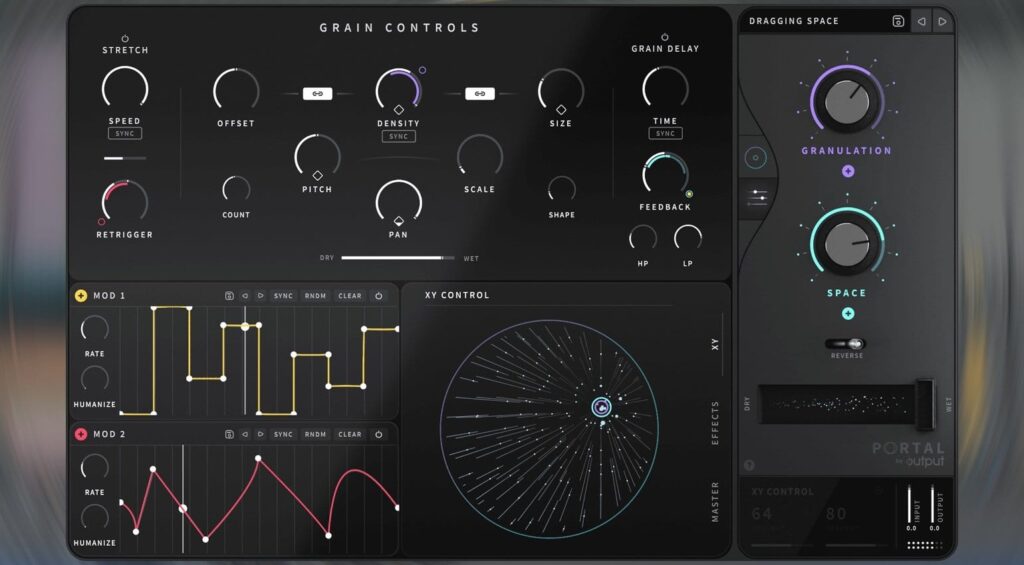
In modern music production, creating rich atmospheres and captivating ear candy is essential to making tracks stand out. Whether you’re producing electronic music, pop, cinematic scores, or ambient soundscapes, adding immersive textures and ear-catching details can elevate your music to new heights. The right tools can make all the difference, and in this article, we’ll explore the Top 10 VST plugins that will help you craft stunning atmospheres and intricate ear candy. This guide covers everything from granular synthesis to pitch-shifting reverbs, giving you a range of powerful plugins to choose from. Our focus keyword is “VST plugins for creating atmosphere,” and each plugin in this list is designed to help you achieve just that. What are Atmosphere and Ear Candy in Music Production? Before diving into the plugins, it’s essential to understand the terms atmosphere and ear candy: Now that you know the importance of atmosphere and ear candy, let’s explore the best VST plugins for creating atmosphere and intricate ear candy in your music. 1. Output – Portal Best for: Granular Effects and Evolving Atmospheres Output’s Portal is a powerful granular synthesis plugin that allows you to transform any sound into something entirely new and captivating. It takes input audio and breaks it down into tiny grains, reassembling them into evolving textures, intricate atmospheres, and detailed ear candy. Portal is incredibly user-friendly compared to other granular plugins, making it accessible even for those new to granular synthesis. Key Features: Why It’s Perfect for Atmosphere and Ear Candy: Portal is ideal for creating deep, evolving atmospheres that keep your tracks feeling fresh. Its granular capabilities also make it perfect for adding subtle or dramatic ear candy elements that will surprise your listeners. Whether you’re making ambient music or crafting ear candy for a dance track, Portal offers endless creative possibilities. 2. Valhalla Shimmer Best for: Ethereal Reverbs and Cinematic Soundscapes Valhalla Shimmer is a reverb plugin designed for creating lush, otherworldly atmospheres. What sets Shimmer apart from other reverb plugins is its ability to pitch-shift the reverb tail, which adds a unique, shimmering quality to the sound. This makes it ideal for creating ethereal, evolving atmospheres that fill a track with emotion and space. Key Features: Why It’s Perfect for Atmosphere and Ear Candy: Valhalla Shimmer excels at creating large, enveloping spaces and dreamy atmospheres. Whether you’re working on cinematic soundtracks or ambient music, Shimmer’s ability to add pitch-shifting reverb makes it stand out as a tool for ear-catching moments and immersive atmospheres. 3. Spectrasonics Omnisphere Best for: Versatility and All-In-One Atmosphere Creation Spectrasonics Omnisphere is one of the most comprehensive VST plugins on the market for creating atmospheric sounds. It combines multiple synthesis engines, including granular, wavetable, and subtractive synthesis, making it an incredibly versatile tool for any producer. Omnisphere’s massive library of over 14,000 sounds provides endless inspiration for both atmospheric textures and intricate ear candy. Key Features: Why It’s Perfect for Atmosphere and Ear Candy: Omnisphere is a go-to plugin for producers across genres because of its versatility and expansive sound library. Whether you need subtle pads or intricate, evolving textures, Omnisphere delivers. Its ability to combine multiple synthesis engines also makes it a powerful tool for crafting ear candy and atmospheric details that will keep your listeners hooked. 4. Soundtoys – Crystallizer Best for: Granular Echoes and Pitch-Shifting Effects Crystallizer by Soundtoys is a granular echo plugin that can create intricate, shimmering textures and unexpected sonic moments. Inspired by the classic pitch-shifting effects of the Eventide H3000, Crystallizer takes incoming audio and breaks it down into tiny grains, shifting their pitch to create sparkling delays and lush soundscapes. Key Features: Why It’s Perfect for Atmosphere and Ear Candy: Crystallizer excels at adding both atmospheric depth and detailed ear candy to your tracks. Its granular capabilities make it a perfect tool for creating sparkling high-end textures or more subtle, evolving background atmospheres. The reverse echo feature also allows for dramatic transitions and creative sound design. 5. Eventide – Blackhole Best for: Otherworldly Reverbs and Massive Soundscapes Blackhole by Eventide is a reverb plugin designed to create massive, spacey atmospheres that stretch far beyond traditional reverb effects. Originally developed for Eventide’s hardware processors, Blackhole is now available as a VST, offering the same powerful capabilities to software users. Key Features: Why It’s Perfect for Atmosphere and Ear Candy: Blackhole is perfect for creating vast, otherworldly atmospheres that can fill the entire space of a mix. Its unique reverse reverb and infinite sustain features make it ideal for crafting both subtle, atmospheric layers and more attention-grabbing ear candy elements. 6. UVI – Falcon Best for: Advanced Sound Design and Hybrid Synthesis Falcon by UVI is a hybrid instrument that combines multiple synthesis engines with a vast sound library to create unique atmospheres and intricate sound textures. Falcon excels in providing advanced sound design capabilities, making it perfect for producers who want complete control over their atmospheric elements. Key Features: Why It’s Perfect for Atmosphere and Ear Candy: Falcon is a powerhouse for advanced sound designers looking to craft unique atmospheres. Its combination of synthesis engines and modulation capabilities make it ideal for creating detailed soundscapes that evolve over time, adding depth and interest to your music. 7. Arturia Pigments Best for: Visual Sound Design and Versatile Synthesis Pigments by Arturia is a visually intuitive synth plugin that combines wavetable, granular, and virtual analog synthesis into one powerful tool. It’s perfect for creating rich atmospheres and detailed ear candy, thanks to its deep modulation capabilities and wide range of built-in effects. Key Features: Why It’s Perfect for Atmosphere and Ear Candy: Arturia Pigments is a versatile tool for crafting both subtle atmospheric textures and more pronounced ear candy effects. Its intuitive visual interface makes it easy to experiment with different sounds and create evolving soundscapes. 8. Cableguys – ShaperBox Best for: Rhythmic Modulation and Dynamic Ear Candy ShaperBox by Cableguys is a collection of modulation tools that allow you to add dynamic rhythmic effects to your sounds. Whether
How much do ghost producers make? This question frequently comes up in discussions within the music industry, as more producers consider ghost production a lucrative and viable career path. The world of ghost production has evolved rapidly over the years, and the potential earnings for ghost producers can vary greatly depending on several factors. But whether you’re an established music producer or just starting out, you might be curious: How much do ghost producers really make? In this comprehensive guide, we will not only break down how much ghost producers make but also discuss the factors that influence their earnings. By the end of this article, you’ll have a deeper understanding of the ghost production business and how you can succeed in it. What is Ghost Production? Before we dive into the numbers, it’s important to understand what ghost production actually is. Ghost production refers to the process of a music producer creating a track for another artist, DJ, or record label, who then releases the track under their own name. The original producer remains anonymous and typically transfers all rights to the buyer. In exchange, they receive a fee for their work, with no claim to future royalties or recognition. Ghost production is particularly common in genres like electronic dance music (EDM), pop, and hip-hop, where the demand for fresh, high-quality tracks is constant. DJs, in particular, often rely on ghost producers to keep up with the fast-paced release schedules required to stay relevant in the competitive music scene. However, ghost production isn’t limited to these genres, and producers in all musical fields have found success in this hidden industry. How Much Do Ghost Producers Make? The earnings of a ghost producer can vary widely, ranging from a few hundred dollars to tens of thousands of dollars per track. The key factors influencing how much ghost producers make include their level of experience, the quality of the tracks, the genre they produce, and the platform they use to sell their work. In 2024, the ghost production industry continues to grow, and the potential earnings for ghost producers are more lucrative than ever before. Here’s a detailed breakdown of the different income levels for ghost producers: 1. Beginner Ghost Producers: $100 – $500 per track For those just starting out, ghost production can be a way to break into the industry and build a portfolio. However, as a beginner, the prices you can charge are typically lower, ranging from $100 to $500 per track. At this stage, you may be producing simpler tracks or working with smaller artists who have limited budgets. Beginner ghost producers often focus on building a reputation and developing their skills. While the earnings may not be significant initially, every sale adds to your portfolio and helps you establish a name for yourself in the industry. 2. Mid-Level Ghost Producers: $500 – $2,000 per track As you gain experience and start to build a solid portfolio, your earning potential increases. Mid-level ghost producers typically charge between $500 and $2,000 per track, depending on factors like the complexity of the track, the artist’s budget, and market demand. At this stage, producers have likely developed a distinct sound and honed their technical abilities, which allows them to create higher-quality tracks that can be sold at premium prices. Mid-level producers may also start working with more established artists or record labels, further boosting their credibility and income. 3. Top-Tier Ghost Producers: $2,000 – $10,000+ per track For top-tier ghost producers, the sky’s the limit. These producers are often working with high-profile artists, DJs, and major record labels, and their tracks are often destined for major releases, festivals, or radio airplay. At this level, ghost producers can command between $2,000 and $10,000 or more per track. Top-tier producers typically have years of experience and a portfolio filled with successful releases. They may also offer custom ghost production services, where they create tracks tailored to the buyer’s specific requirements. These personalized projects often come with higher price tags due to the level of customization involved. 4. Superstar-Level Ghost Producers: $10,000 – $50,000+ per track At the highest echelon of ghost production, some producers can make over $50,000 per track, especially if they’re working with internationally known artists or DJs who perform at major festivals like Tomorrowland or Ultra Music Festival. These producers are often seasoned veterans with years of experience in the industry, and their work is in high demand. Superstar-level ghost producers may also have partnerships with record labels or management agencies, giving them access to even more lucrative opportunities. In some cases, these producers may also receive bonuses or additional payments based on the success of the tracks they produce. Factors Influencing Ghost Producer Earnings So, what determines how much ghost producers make? Several key factors come into play: 1. Experience and Reputation The more experience and credibility a ghost producer has, the higher the fees they can command. Producers with a strong track record of producing hits, even anonymously, can leverage their experience to charge premium prices. This is why beginner ghost producers typically make less, while top-tier producers can make tens of thousands of dollars per track. Building a solid portfolio is essential for increasing your earnings as a ghost producer. Potential clients want to see examples of your previous work to determine whether you’re a good fit for their project. A strong portfolio can help you stand out in a crowded marketplace and justify charging higher rates. 2. Genre The genre of music you produce can have a significant impact on how much you make as a ghost producer. For example, EDM producers tend to earn more than those working in other genres because of the high demand for club-ready tracks. DJs are often under pressure to release new music regularly, and they’re willing to pay a premium for high-quality ghost-produced tracks. In contrast, producers working in less commercial genres may find it more challenging to command high prices. However, if you specialize in a
The music industry is constantly evolving, and understanding how to make money as a music producer is essential for thriving in 2025. With so many opportunities available, both new and experienced producers can tap into multiple income streams. This guide will show you 10 proven ways to make money as a music producer, covering strategies from ghost production to freelance mixing. 1. How to Make Money as a Music Producer with Ghost Production Ghost production is one of the best ways to make money as a music producer in 2025. By creating tracks that other artists or DJs can release under their own name, you can earn significant upfront fees and, in some cases, royalties. Ghost production allows artists to focus on performing while you stay behind the scenes. Platforms like The Ghost Production enable you to sell your tracks directly to buyers, giving you access to a large market of clients looking for high-quality music. Ghost production is particularly popular in EDM, pop, and other electronic genres, where demand for new tracks is constant. Tip: Build a portfolio of high-quality, versatile tracks that appeal to different genres to attract more clients. 2. How to Make Money as a Music Producer Through Music Licensing and Sync Deals Music licensing and sync deals are another excellent way to make money as a music producer. Sync deals involve licensing your music for use in movies, TV shows, video games, and online content. With the explosion of digital media, producers can earn money by allowing their tracks to be used in commercials, YouTube videos, or podcasts. Platforms like AudioJungle, Epidemic Sound, and Artlist allow you to upload your music for licensing. Once your track is selected, you can earn licensing fees or royalties, providing a steady income stream. Sync deals are perfect for producers looking to diversify their revenue sources while continuing to create music. Tip: Focus on creating diverse, mood-specific tracks to cater to a wide range of sync opportunities. 3. Selling Sample Packs: A Passive Way to Make Money as a Music Producer Selling sample packs and sound kits is a popular, passive way to make money as a music producer. Producers around the world are constantly looking for new sounds to improve their productions, and if you’re skilled at sound design, this is a lucrative market. Sample packs can include drum loops, one-shots, synth patches, and construction kits. Platforms like Splice, Loopmasters, and your own website allow you to sell your sample packs repeatedly, generating passive income. The key is to create high-quality packs that stand out from the competition. Producers often look for niche sound kits that are hard to find elsewhere, such as those focused on specific genres like lo-fi, house, or trap. Tip: Make sure to market your packs effectively by targeting social media platforms and collaborating with influencers in the production community. 4. Offering Online Courses: A Profitable Way to Make Money as a Music Producer If you’re an experienced producer, teaching others how to make money as a music producer can be another revenue stream. In 2025, online education continues to grow, and many aspiring producers are looking for courses to help them improve their skills. Platforms like Udemy, Skillshare, and Teachable allow you to create courses and sell them globally. You can offer courses on topics like production techniques, DAW mastery, sound design, or mixing and mastering. With the growing demand for online learning, this is an excellent way to share your expertise while generating income. Tip: Focus on creating detailed, step-by-step courses that cater to different skill levels, from beginners to advanced producers. 5. Freelance Mixing and Mastering Services: A Reliable Way to Make Money as a Music Producer Offering freelance mixing and mastering services is one of the most reliable ways to make money as a music producer in 2025. Many artists and producers don’t have the technical expertise to finalize their tracks, and they turn to professional mixing and mastering engineers for help. Platforms like Fiverr, SoundBetter, and Upwork allow you to offer your services to a global audience. By building a strong portfolio and gathering positive reviews, you can attract more clients and charge premium rates for your expertise. Tip: Ensure you offer competitive pricing and showcase before-and-after examples of your work to build trust with potential clients. 6. Collaborations and Royalties: Building Long-Term Income Streams Collaborating with other artists or producers is not only creatively fulfilling but also a smart way to make money as a music producer. By collaborating, you can secure a percentage of the royalties generated from streaming, sales, and performances. Platforms like Spotify and Apple Music pay royalties based on streams, and collaborating ensures you earn a share of the profits. Royalties provide a recurring income, particularly if a track becomes popular or is used in high-profile projects. Collaborating with independent artists and producers can also lead to more opportunities, such as remixes or future projects. Tip: Have clear agreements in place that outline royalty splits and make use of platforms like Songtrust or CD Baby to manage and collect royalties. 7. Live Streaming and Online Performances: An Interactive Way to Make Money as a Music Producer Live streaming and online performances remain a powerful way to make money as a music producer in 2025. Platforms like Twitch, YouTube, and TikTok allow you to showcase your production process, perform live sets, and engage with fans in real-time. You can monetize your streams through donations, subscriptions, sponsorships, and ads. Consistency is key to building a loyal audience, and with more people consuming content online, live streaming is a growing opportunity for producers. Tip: Regularly stream and interact with your viewers to build a dedicated following. Offer exclusive content or behind-the-scenes access to increase engagement. 8. Affiliate Marketing: Earn by Promoting Music Gear and Software Affiliate marketing is an often-overlooked method to make money as a music producer. If you have a blog, YouTube channel, or social media following, you can partner with companies that produce