
Best DJ Transition Techniques
Best DJ Transition Techniques: A Comprehensive Guide
In the ever-evolving world of electronic dance music, mastering the art of DJ transitions is crucial for both beginner and experienced DJs. Whether you’re spinning at a local club or headlining a major festival, the best DJ transition techniques will make your sets more engaging and memorable. This guide will explore a variety of techniques, when and how to use them, and provide insights and tips from industry experts.
DJ transitions are more than just moving from one track to another. They are about maintaining energy and flow, surprising your audience, and creating a journey that keeps dancers on their feet. In 2026, with technologies like AI-generated music and advanced DJ software, the landscape is richer than ever, offering numerous options for creative transitions.
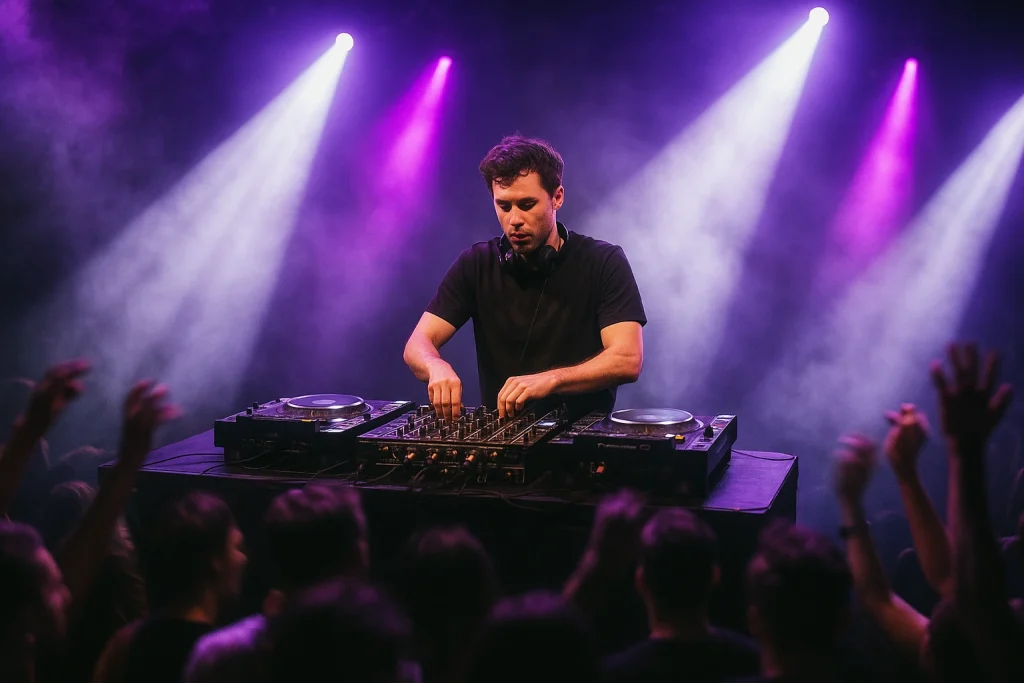
In this article, we’ll delve into essential transition strategies, including blending, cutting, dropping, and filtering, and we’ll provide real-world contexts and examples. We’ll also look at some of the myths versus realities of DJ transitions and touch on how ghost production can play a part in creating unique tracks tailored for your style.
Understanding DJ Transition Basics
Before diving into specific techniques, it’s essential to grasp the fundamentals of DJ transitions. At their core, transitions are about timing, tempo, and track selection. A successful transition keeps the energy consistent and the dance floor engaged.
Blending
Blending, also known as mixing, involves gradually combining two tracks by adjusting their tempo and EQ settings to create a seamless flow. This technique is widely used in genres like house and techno, where maintaining a consistent groove is key. According to Beatport, blending is one of the most popular techniques among DJs in 2026.
Cutting
Cutting involves abruptly switching from one track to another, often using the crossfader. This technique can be particularly effective in hip-hop and trap sets, where the energy levels can benefit from a sudden change. Notable DJs like A-Trak have mastered this technique, adding dynamic flair to their performances.
Effective Use of the Drop
The drop is a critical moment in many genres, from EDM to dubstep. It involves a build-up followed by a sudden release of energy. Using drops effectively can elevate your set, but timing is crucial. As per Resident Advisor, understanding your audience’s energy levels is key to using drops effectively.
Timing the Drop
One of the most important aspects of a successful drop is timing. DJs like Skrillex have made a career out of mastering the art of the drop, knowing precisely when to unleash it to maximum effect. Consider the energy on the dance floor and the progression of your set to determine the best moment for a drop.
Layering Elements
Layering additional elements, such as vocal samples or percussion, before a drop can enhance its impact. This technique can be seen in the works of DJs like Calvin Harris, who often use it to add a unique touch to their performances.
Utilizing Filters and Effects
Filters and effects can add depth and complexity to your transitions. By manipulating sound frequencies, DJs can create tension, smooth out rough mixes, or add dramatic flair to their sets. In 2026, with software like Serato and Traktor, DJs can access an array of effects at their fingertips.
Filter Sweeps
Filter sweeps are a popular technique for transitioning between tracks. By gradually increasing or decreasing the frequency range, DJs can blend tracks more seamlessly. This technique is often used in techno and house music.
Reverb and Echo
Applying reverb or echo can create a spacious feel, allowing tracks to merge more organically. Producers and DJs like Carl Cox utilize these effects to create an immersive atmosphere.
Advanced Techniques for Experienced DJs
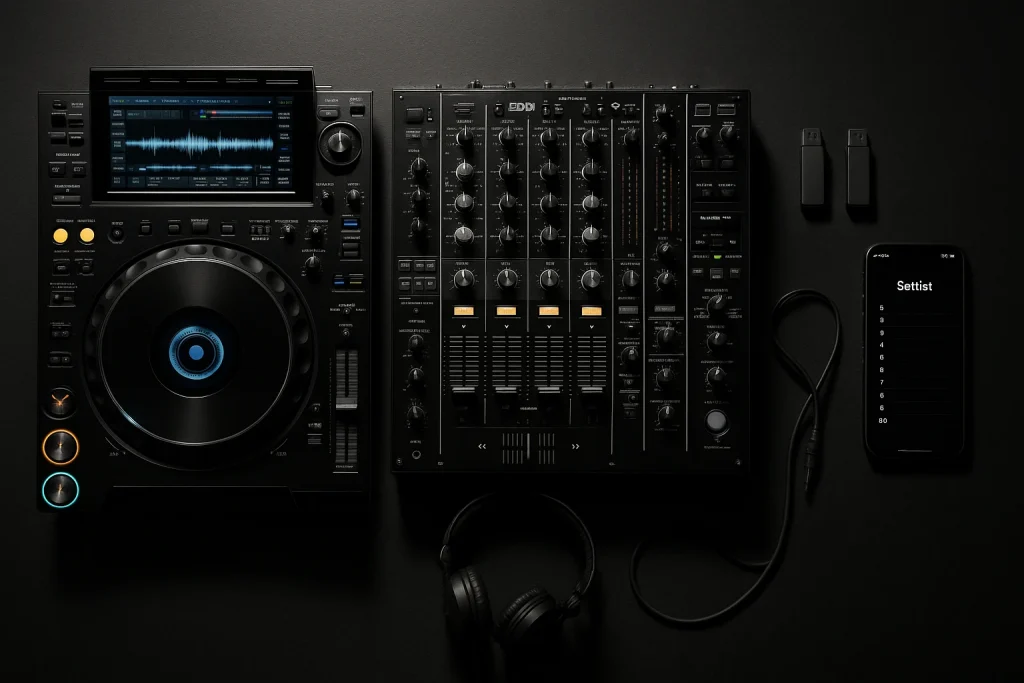
For those looking to push the envelope, advanced techniques like harmonic mixing and key shifts can add a professional touch to your set. According to Mixmag, mastering these techniques distinguishes good DJs from great ones.
Harmonic Mixing
Harmonic mixing involves matching the key of two tracks to ensure they complement each other harmonically. Tools like Mixed In Key can help DJs identify compatible tracks. This technique is crucial for genres like trance, where melody plays a significant role.
Key Shifts
Key shifting allows DJs to change the key of a track, enabling smoother transitions between tracks of different keys. It requires a deep understanding of music theory but can significantly enhance your mixing capabilities.
Myths vs. Realities of DJ Transitions
Despite the wealth of resources available, several myths about DJ transitions persist. Let’s debunk some of these and highlight the realities faced by DJs in today’s industry.
Myth: High-Tech Gear Equals Better Transitions
Reality: While high-tech gear can offer more options, the quality of transitions ultimately depends on the DJ’s skill and creativity. Understanding the fundamentals of DJ phrasing and timing is more crucial than owning the latest equipment.
Myth: All Transitions Must Be Seamless
Reality: Not every transition needs to be seamless. Depending on the genre and the audience, abrupt transitions like cutting can be more effective in maintaining energy and audience engagement.
How Ghost Production Enhances DJ Sets
Ghost production can play a significant role in enhancing your DJ sets by providing exclusive tracks that are tailor-made for your style. Companies like The Ghost Production offer custom tracks that can help DJs differentiate their sets.
Whether you’re looking to buy exclusive ghost-produced tracks or hire a ghost producer for custom music, these services provide unique opportunities to stand out in a crowded market.
Building Your Unique DJ Identity
Developing a unique sound and style is crucial for DJs aiming to stand out. Leveraging ghost production, exclusive tracks, and advanced transition techniques can help you build a distinctive brand.
Explore options like ordering custom DJ tracks or consulting with professionals at ghost production services to enhance your set’s uniqueness. Additionally, understanding how to transition between songs effectively can elevate your performance.
Frequently Asked Questions
What is the most common DJ transition technique?
Blending is the most common DJ transition technique, allowing for smooth transitions by matching the tempo and EQ settings of two tracks.
How can I improve my DJ transitions?
Improving transitions involves practice, understanding music theory, and experimenting with different techniques like cutting, drops, and using filters.
What role does software play in DJ transitions?
Software like Rekordbox and Serato provides tools for tempo matching, key detection, and effects, making transitions smoother and more creative.
Can ghost production help in creating unique transitions?
Yes, ghost production can provide exclusive tracks tailored to your style, which helps in creating unique transitions and standing out as a DJ.
Do I need expensive gear for good transitions?
No, while high-quality gear can offer more features, skill and creativity are more important for executing effective transitions.
Last updated:
Stand Out From Every Other DJ
The DJs who get booked and remembered play music nobody else has. Commission exclusive ghost-produced tracks and edits made specifically for your sound.