How to Build a Unique DJ Brand in 2025

How to Build a Unique DJ Brand in 2025

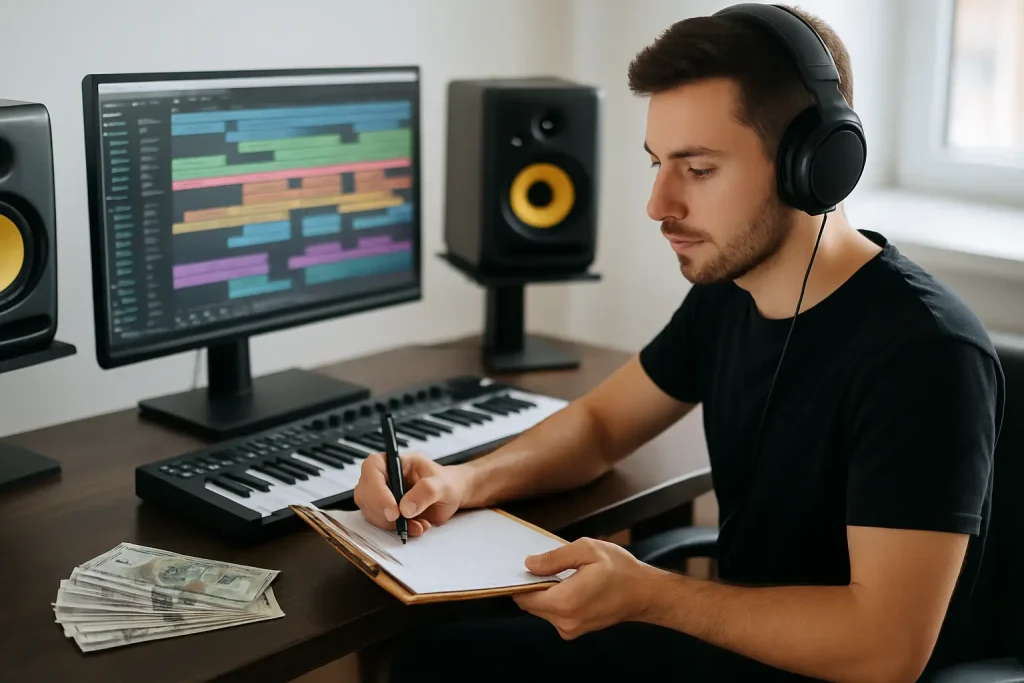
DJ Brand: The Key to Standing Out in 2025 The DJ industry is more competitive than ever in 2025, with thousands of DJs worldwide fighting for attention. To stand out and build a powerful DJ brand, simply playing good music is no longer enough. You need a strong identity, a loyal fanbase, and most importantly, your own music. Many top DJs in the DJ Mag Top 100 have built their brand by releasing music consistently under their name. However, not every DJ is a music producer—and that’s not a secret. In fact, most of the world’s top DJs have ghost producers who create music for them. By releasing tracks as their own, they establish themselves as major artists, growing their DJ brand and fanbase. If you’re serious about building a successful DJ brand, getting exclusive, ready-to-release ghost-produced tracks is one of the smartest moves you can make. The best place to find high-quality ghost production tracks is The Ghost Production, where you can buy exclusive, professional-level tracks to release under your name. In this article, we’ll break down the key steps to building a unique DJ brand in 2025, from developing your identity to releasing music and marketing yourself effectively. 1. Define Your DJ Identity Before anything else, you need to figure out what makes you unique as a DJ. Ask yourself: A strong DJ brand is consistent. Look at artists like Kygo, Martin Garrix, or Fisher—they each have a recognizable sound and image that fans instantly connect with. Find your niche and stick to it to build a strong personal brand. 2. Release Your Own Music (Even If You’re Not a Producer) Why Releasing Music is Essential for DJs If you look at the biggest DJs in the world, one thing they all have in common is a strong catalog of original music. Playing great DJ sets is important, but it’s not enough to grow a brand—your music is what gets you recognized. When you release original music, you: Ghost Production: The Secret Behind Top DJs’ Success The reality is not every DJ is a music producer—and that’s completely fine. Some DJs don’t have time to spend years learning music production, and others simply prefer to focus on live performances and branding. Most of the biggest names in the DJ Mag Top 100 have ghost producers who create their music for them. Instead of spending months learning music production, they invest in professionally made tracks and release them under their name. This allows them to compete with top artists and build a powerful DJ brand without needing to be expert producers themselves. Where to Get High-Quality Ghost Produced Tracks If you want to build a DJ brand in 2025, you need to start releasing music. The best place to get exclusive, ready-to-release ghost-produced tracks is The Ghost Production. Here, you can buy original, high-quality tracks in various genres and release them under your DJ name, just like the biggest DJs in the industry. 3. Build a Strong Online Presence Your online presence is just as important as your music. Here’s how to maximize your brand across digital platforms: Social Media Strategy Spotify & Streaming Platforms Build a Website & EPK 4. Get DJ Gigs & Play Live A strong DJ brand is built not just online but also on stage. To land more gigs: When you have original music (even if it’s ghost-produced), you’re taken more seriously as a professional DJ rather than just someone who plays other people’s tracks. 5. Collaborate & Network The fastest way to grow is by connecting with others in the industry: Networking can open doors to bigger gigs, label signings, and sponsorships. 6. Monetize Your DJ Brand Once you’ve built your DJ brand, it’s time to make money from it: The more you establish your brand, the more revenue streams become available. Conclusion: Take Action & Build Your DJ Brand in 2025 Building a unique DJ brand in 2025 requires more than just great DJ skills. To stand out, you must: If you’re ready to take your DJ career to the next level, start by releasing professional-quality music. The easiest way to do this is through The Ghost Production, where you can get exclusive, ready-to-release tracks just like the top DJs in the world. Are you ready to build your DJ brand? Start today! Get Ready to release Exclusive tracks

Ghost Production in 2025: The Future of Music Creation and Monetization

Ghost Production in 2025

Introduction Ghost production has been an integral part of the music industry for years, helping artists maintain consistency in their releases while offering talented producers a way to monetize their skills. As we step into 2025, the ghost production landscape is evolving rapidly due to advancements in technology, artificial intelligence (AI), changes in the music business, and shifts in how artists and producers collaborate. In this article, we will explore the state of ghost production in 2025, its benefits, challenges, technological advancements, and future trends. What is Ghost Production? Ghost production is a process in which professional producers create music that is later sold to and released under the name of another artist. The producer remains anonymous, giving the buyer full rights to the track. This allows DJs, singers, and other music professionals to maintain a steady release schedule without necessarily composing or producing the music themselves. Over the years, ghost production has become widely accepted across various genres, including electronic dance music (EDM), pop, hip-hop, and even film scores. In 2025, it continues to thrive as an essential aspect of music creation and commercialization. The Evolution of Ghost Production 1. AI and Automation in Music Production The biggest transformation in ghost production in 2025 is the increased use of AI-powered music tools. AI-driven plugins and software, such as Ud.io and Suno, allow producers to create high-quality music faster and more efficiently than ever before. While AI-generated music is banned on platforms like The Ghost Production, producers use AI-assisted tools for inspiration, sound design, and workflow enhancements. Popular AI tools aiding ghost producers in 2025 include: 2. More Artists Relying on Ghost Producers With social media and streaming platforms driving intense competition, artists need a steady stream of music to remain relevant. Ghost production allows them to release tracks consistently, even when they are touring, managing their brand, or focusing on other aspects of their careers. 3. Blockchain and Smart Contracts for Secure Transactions The music industry has faced numerous issues with payment disputes and unauthorized track leaks. In 2025, blockchain technology is playing a crucial role in securing transactions and ensuring proper credit distribution. Smart contracts ensure: Benefits of Ghost Production in 2025 1. A Reliable Income Stream for Producers Ghost production remains one of the best ways for music producers to earn income without dealing with the complexities of self-promotion, marketing, or label negotiations. Successful producers on platforms like The Ghost Production can make anywhere from €199 to €999 per track, with top-tier producers charging even more. 2. Faster Track Releases for Artists For artists, purchasing a ghost-produced track means skipping months of production and mixing work, allowing them to focus on branding, touring, and fan engagement. This is particularly beneficial for DJs and performers who need high-quality releases consistently. 3. Genre Expansion and Experimentation Ghost production allows artists to explore different styles and genres without risking their established brand identity. In 2025, many well-known artists use ghost producers to experiment with sounds that differ from their usual releases. 4. Increased Anonymity and Privacy Producers who prefer to stay behind the scenes can continue creating without dealing with the pressures of public recognition. This is ideal for those who want to focus purely on music rather than social media engagement. Challenges in Ghost Production 1. The Rise of AI-Generated Music and Ethical Concerns With AI becoming more advanced, the debate over originality in music production has intensified. Some industry professionals argue that AI-generated music undermines human creativity, while others see it as a tool for enhancement. Platforms like The Ghost Production have banned AI-generated tracks to ensure originality and authenticity. 2. Oversaturation and Pricing Competition With more producers entering the ghost production space, prices have become increasingly competitive. Producers must now differentiate themselves by offering unique sounds, premium-quality tracks, or bundled services such as stems and project files. 3. Copyright and Legal Issues Ghost production operates on the premise of full track ownership transfer, but legal disputes can arise if: To mitigate these risks, ghost production platforms now require detailed metadata, including DAW version, plugin usage, and sample sources, ensuring transparency and legal compliance. The Future of Ghost Production 1. Higher Demand for Custom and Exclusive Tracks While pre-made tracks continue to sell well, artists in 2025 are seeking more customized productions tailored to their style. This has led to an increase in exclusive ghost production services, where producers create tracks based on an artist’s specific requests. 2. Virtual Reality and the Metaverse Integration With the rise of virtual concerts and the metaverse, ghost production is expanding into new territories. Producers are now creating immersive soundscapes and interactive music experiences for metaverse events and digital platforms. 3. AI Collaboration Instead of Replacement Rather than replacing human producers, AI is being used as an assistant in the creative process. Top-tier ghost producers use AI tools to streamline workflow, suggest chord progressions, and generate initial ideas that are then refined manually. 4. Growth of Ghost Production Marketplaces As the industry becomes more mainstream, new ghost production marketplaces continue to emerge. The Ghost Production remains a leading platform, but competitors are integrating more advanced features, such as subscription-based ghost production services and royalty-based licensing models where producers receive a share of streaming revenue. How to Get Started with Ghost Production in 2025 For Producers: For Artists and DJs: Conclusion Ghost production in 2025 is more dynamic than ever, with AI-assisted tools, blockchain security, and metaverse integration shaping the industry’s future. While challenges such as pricing competition and ethical concerns persist, ghost production remains a vital component of modern music creation. As more artists and producers embrace this model, the industry will continue to evolve, offering endless opportunities for creative collaboration and financial growth. Whether you’re a producer looking to monetize your skills or an artist seeking high-quality tracks, ghost production in 2025 offers a promising and exciting landscape to explore.

Top 10 Hardstyle Festivals You Can’t Miss in 2025

Top 10 Hardstyle Festivals You Can’t Miss in 2025

Hardstyle festivals are more than just music events; they are immersive experiences that bring together dedicated fans, electrifying beats, and unforgettable memories. With 2025 promising an even bigger lineup of hardstyle festivals worldwide, here are the top 10 events you absolutely can’t miss this year. 1. Defqon.1 – The Netherlands Defqon.1 is considered the holy grail of hardstyle festivals. Organized by Q-dance, it offers an unparalleled atmosphere with breathtaking stages, high-energy performances, and loyal fans from across the globe. Taking place in Biddinghuizen, this festival features: Pro Tip: Get your tickets early—they sell out fast! 2. Qlimax – The Netherlands Qlimax is known for its dark, theatrical atmosphere and is often called the most mystical hardstyle festival. Held indoors at the GelreDome in Arnhem, it provides an unmatched sensory experience. 3. EDC Las Vegas (Hardstyle Stage) – USA Electric Daisy Carnival (EDC) in Las Vegas may be an EDM festival, but its hardstyle stage, curated by Basscon, is a must-visit for hardstyle lovers. 4. Decibel Outdoor Festival – The Netherlands A veteran in the hardstyle scene, Decibel Outdoor offers a weekend full of diverse subgenres of hard dance music. 5. Tomorrowland (Q-dance Stage) – Belgium While Tomorrowland caters to a broad range of EDM fans, its Q-dance stage delivers a premium hardstyle experience. 6. Intents Festival – The Netherlands Intents Festival is famous for its immersive themes and unmatched production value. It’s a playground for hardstyle enthusiasts. 7. Hard Bass (Legacy Edition) – The Netherlands Hard Bass is making its much-anticipated return in 2025 as the Legacy Edition, celebrating its rich history and monumental impact on the hardstyle scene. 8. AIRBEAT ONE Festival – Germany AIRBEAT ONE delivers an electrifying hardstyle experience within a multi-genre festival setting in northern Germany. 9. Rebirth Festival – The Netherlands Kicking off the festival season, Rebirth Festival sets the tone for the year with its energetic atmosphere and diverse lineup. 10. Syndicate Festival – Germany Syndicate Festival is the ultimate indoor hardstyle event, bringing the hardest beats to Dortmund every year. Tips for Enjoying Hardstyle Festivals in 2025 Conclusion Hardstyle festivals are a celebration of music, energy, and community. Whether you’re a seasoned fan or new to the scene, these top 10 hardstyle festivals in 2025 promise unforgettable experiences. Mark your calendars, gather your friends, and get ready to immerse yourself in the world of hardstyle! Exclusive Hardstyle Ghost Production

How to Upload Music to Spotify: A Comprehensive Guide

How to Upload Music to Spotify

Spotify is one of the world’s leading music streaming platforms, boasting millions of active listeners and offering an incredible opportunity for artists to upload music to Spotify and share their work. If you’re ready to upload music to Spotify, this guide will help you get started. If you’re a musician or music producer looking to get your tracks on Spotify, you’re in the right place. This guide will walk you through everything you need to know about uploading music to Spotify and optimizing your chances for success. Why Should You Upload Your Music to Spotify? Uploading music to Spotify offers unparalleled benefits for artists looking to grow their audience and revenue. Spotify provides an unparalleled platform to reach a global audience. Here’s why you should consider uploading your music: Now, let’s dive into the step-by-step process of uploading music to Spotify. Step 1: Understand the Requirements to Upload Music to Spotify Spotify does not allow independent artists to upload music to Spotify directly. You need a digital music distributor to act as an intermediary. These distributors ensure your music meets Spotify’s technical requirements and manage royalties on your behalf. Popular Music Distributors Step 2: Prepare Your Music Before you upload your music, ensure it meets Spotify’s technical and artistic standards. Technical Requirements Creative Preparation Step 3: Choose a Distributor and Create an Account Select a distributor that aligns with your budget and goals. Sign up for an account and provide all necessary details, including: Step 4: Upload Your Music to Spotify Once your distributor account is set up, you can begin uploading your music. Here’s how: Step 5: Claim Your Spotify for Artists Profile Once your music is uploaded, claim your Spotify for Artists profile to manage your presence on the platform. How to Claim Your Profile Step 6: Promote Your Music Uploading your music to Spotify is just the beginning. Effective promotion can significantly increase your streams and visibility. Leverage Spotify’s Tools Social Media Promotion Email Marketing Build a mailing list and send updates about your releases, events, and exclusive content to your subscribers. Step 7: Monitor Your Performance Spotify for Artists provides valuable insights into how your music is performing. Key Metrics to Track Use these metrics to refine your marketing strategy and make data-driven decisions. Frequently Asked Questions 1. How long does it take for my music to appear on Spotify? It typically takes 3-5 business days for your music to go live, but it’s best to submit your release at least 2 weeks in advance. 2. How much does it cost to upload music to Spotify? Costs vary by distributor. Some, like Amuse, offer free options, while others, like DistroKid, charge an annual fee (e.g., $19.99 for unlimited uploads). 3. Can I upload covers or remixes? Yes, but you’ll need the necessary licenses or permissions. Many distributors assist with licensing for covers. 4. Do I keep 100% of my royalties? Most distributors take a small percentage or charge fees. Research your distributor’s terms carefully. 5. Can I remove my music from Spotify? Yes, you can request your distributor to take down your music at any time. Tips for Success on Spotify Conclusion Uploading music to Spotify is a straightforward process, but success requires careful planning, consistent effort, and effective promotion. By following this guide, you’ll be well-equipped to share your music with a global audience and make the most of what Spotify has to offer. Start your journey today and let the world hear your sound! Get Exclusive Music for your Spotify

Top DJ Controllers 2025: A Buyer’s Guide

Top DJ Controllers 2025: A Buyer’s Guide

In 2025, the world of DJing continues to evolve with cutting-edge technology, making it an exciting time for both aspiring and professional DJs. A high-quality DJ controller is essential for crafting seamless mixes and captivating performances. Whether you’re a beginner exploring your passion or a seasoned DJ upgrading your gear, choosing the right controller can elevate your skills and creativity. This buyer’s guide explores the Top DJ Controllers 2025, highlighting features, specifications, and why they stand out in a competitive market. The Pioneer DJ DDJ-REV7 remains a game-changer in 2025, offering innovative features tailored for turntablists and open-format DJs. Key Features: Why It’s Great: The DDJ-REV7 is perfect for DJs who want the feel of traditional turntables with modern enhancements. Its motorized platters and detailed displays provide a unique mixing experience, blending nostalgia with innovation. Price: Starting at $1,999, the REV7 offers professional-grade features worth the investment for serious DJs. The Denon DJ Prime 4+ continues to dominate as the ultimate standalone DJ controller in 2025. With no laptop required, it delivers unmatched flexibility and power. Key Features: Why It’s Great: The Prime 4+ is ideal for mobile DJs who need a portable yet powerful system. Its ability to operate without a laptop sets it apart, making it a versatile choice for events and clubs. Price: Priced around $2,099, the Denon DJ Prime 4+ is a worthwhile investment for DJs who prioritize independence and reliability. The Traktor Kontrol S4 MK3 remains a favorite among digital DJs in 2025, thanks to its innovative features and tight integration with Traktor Pro 3 software. Key Features: Why It’s Great: The S4 MK3 is an excellent choice for DJs who prefer Traktor’s ecosystem. Its haptic jog wheels offer a unique tactile experience, while its compact design makes it easy to transport. Price: At approximately $999, the Traktor Kontrol S4 MK3 is an affordable yet powerful tool for digital DJs. The RANE FOUR is a cutting-edge controller designed for Serato DJ Pro users, combining performance-focused features with a robust build. Key Features: Why It’s Great: The RANE FOUR is perfect for DJs who demand precision and creative flexibility. Its advanced stems control and effects capabilities make it a powerful tool for innovative performances. Price: Available at $1,799, the RANE FOUR offers excellent value for its professional-grade features. For beginners and budget-conscious DJs, the Hercules DJControl Inpulse 500 is a standout choice in 2025, offering simplicity without sacrificing functionality. Key Features: Why It’s Great: The Inpulse 500 is designed with beginners in mind, offering intuitive tools and a user-friendly interface. It’s a great way to learn the basics without breaking the bank. Price: Priced around $299, the Hercules DJControl Inpulse 500 is an unbeatable value for entry-level DJs. When selecting a DJ controller, consider the following factors: The Top DJ Controllers 2025 offer something for everyone, from beginners to professionals. Whether you’re drawn to the tactile feel of the Pioneer DJ DDJ-REV7, the standalone power of the Denon DJ Prime 4+, or the affordability of the Hercules DJControl Inpulse 500, there’s a perfect match for your needs. Investing in a quality DJ controller can transform your performances and enhance your creative potential. Consider your requirements, compare features, and choose a controller that inspires you to push boundaries in your DJ journey. Boost Your DJ Career with Exclusive Tracks

7 Compelling Reasons Why DJs Use Ghost Producers

Why Do DJs Use Ghost Producers

The world of electronic dance music (EDM) is dynamic and glamorous, with DJs captivating audiences at festivals, clubs, and online platforms. However, behind the high-energy performances and pulsating beats lies a lesser-known aspect of the industry: ghost production. For years, ghost producers have played a pivotal role in shaping the music we hear, but many listeners remain unaware of their contributions. This article dives deep into the reasons why DJs use ghost producers, the impact on the music industry, and the ethics surrounding this practice. What Is Ghost Production? Before exploring why DJs rely on ghost producers, it’s essential to understand the concept. Ghost production refers to a professional arrangement where a producer creates music anonymously for another artist, often for monetary compensation and no public credit. The purchasing DJ then releases the track under their name, branding it as their own creation. Ghost production is not exclusive to EDM but has become particularly prominent in this genre due to its high demand for fresh, club-ready tracks. In this arrangement, the ghost producer forfeits their rights to the music, allowing the DJ to claim full ownership and authorship. Reasons DJs Use Ghost Producers 1. Time Constraints Touring DJs often have packed schedules, performing at multiple venues across the globe, managing promotional appearances, and engaging with fans on social media. With limited time to dedicate to the studio, producing high-quality tracks becomes a challenge. Ghost producers help alleviate this burden by creating music on behalf of these artists, ensuring a steady flow of new releases. 2. Maintaining Relevance in a Competitive Industry The EDM scene is fiercely competitive, with new artists emerging daily. To maintain their spot in the spotlight, DJs need to consistently release fresh music. Ghost producers enable DJs to keep up with the demand for new tracks, ensuring they remain relevant in an ever-evolving industry. 3. Specialized Expertise Not all DJs are skilled producers, and that’s okay. Producing a polished track requires technical expertise, an ear for detail, and extensive knowledge of sound design, mixing, and mastering. Some DJs focus primarily on performance and rely on ghost producers to craft tracks that align with their brand and style. 4. Brand Expansion Many top-tier DJs expand their brands by venturing into different subgenres or collaborating with other artists. This expansion often requires a diverse music catalog. Ghost producers can adapt their skills to create tracks in various styles, helping DJs broaden their creative repertoire without needing to master every subgenre themselves. 5. High Pressure for Quality Fans and record labels expect top-tier production quality from established DJs. Creating tracks that meet professional standards takes time, effort, and talent. Ghost producers, often highly skilled professionals, deliver tracks that meet or exceed industry standards, allowing DJs to meet these expectations seamlessly. 6. Focus on Live Performances Performing live is at the core of a DJ’s career. Many DJs prioritize honing their performance skills, creating electrifying sets, and building connections with their audience. Outsourcing music production allows them to focus on delivering unforgettable live experiences. 7. Increased Revenue Streams Releasing original tracks opens doors to multiple revenue streams, including streaming royalties, licensing deals, and festival bookings. Ghost producers empower DJs to maximize these opportunities by ensuring they have a consistent catalog of tracks to monetize. The Benefits of Ghost Production While ghost production may seem controversial, it offers several advantages to both DJs and producers: For DJs: For Ghost Producers: Ethical Considerations The practice of ghost production is not without controversy. Critics argue that it’s deceptive for DJs to claim authorship of tracks they didn’t create. Fans often feel misled when they discover their favorite DJ didn’t produce their hit tracks. On the other hand, proponents argue that ghost production is a legitimate business arrangement. As long as all parties involved mutually agree on the terms, it’s simply another facet of the music industry. Many liken it to songwriting in pop music, where songwriters often create hits for well-known artists without receiving public recognition. To address ethical concerns, transparency is key. Some DJs openly acknowledge their use of ghost producers, framing it as a collaborative effort. This approach fosters trust with fans and normalizes the practice within the industry. The Role of Technology Advancements in music production software and tools have contributed to the rise of ghost production. With accessible digital audio workstations (DAWs) like Ableton Live, FL Studio, and Logic Pro, producers can create professional-grade music from anywhere in the world. This technological democratization has enabled a global network of talented ghost producers to thrive, offering their services to DJs worldwide. Platforms like “The Ghost Production” have further streamlined the process, acting as marketplaces where DJs can purchase ready-made tracks or hire producers for custom projects. These platforms ensure quality and confidentiality, making ghost production more accessible than ever. Famous DJs and Ghost Production Ghost production is more common than many fans realize, and several high-profile DJs have faced scrutiny or speculation about their use of ghost producers. While it’s challenging to confirm specific cases, the following examples illustrate the prevalence of ghost production in EDM: While these examples highlight the practice among top-tier DJs, ghost production is equally prevalent among emerging artists striving to establish themselves in the industry. The Future of Ghost Production As the EDM industry continues to evolve, ghost production is likely to grow in prominence. The demand for high-quality music shows no signs of slowing down, and the convenience of outsourcing production makes it an attractive option for many DJs. However, the rise of artificial intelligence (AI) in music production could disrupt the landscape. AI tools are becoming increasingly capable of generating tracks, potentially reducing the need for human ghost producers. While this technology presents new opportunities, it also raises questions about creativity, originality, and authenticity in music. Conclusion DJs use ghost producers for various reasons, including time constraints, the need to stay relevant, and the pursuit of high-quality music. While the practice has sparked ethical debates, it remains an integral part of the EDM

What Is the Best Day to Release Music?

What Is the Best Day to Release Music?

In the fast-paced world of music streaming and digital releases, choosing the best day to release your music can significantly impact your success. The right release day can boost your chances of landing on playlists, catching the attention of fans, and maximizing your promotional efforts. But what is the best day to release music? Let’s dive into the data and insights on the best day to release music. Why Release Day Matters Timing is everything in the music industry. The day you release your music influences: Choosing the best day to release music can amplify the reach of your music, make promotional efforts more effective, and help you connect with listeners when they’re most likely to engage. The Best Day to Release Music – Friday For most artists, Friday is considered the best day to release music. Here’s why Friday stands out as the best day to release music: Other Popular Release Days While Friday dominates as the best day to release music, some artists experiment with other days for strategic reasons: Exceptions to the Rule While Friday is ideal as the best day to release music, there are scenarios where other days might work better: Best Practices for Music Releases Regardless of the day you choose, a well-planned release strategy is key. Follow these tips to maximize your success: How Streaming Platforms Influence Release Strategies Streaming platforms play a critical role in determining the success of a release. Here’s how: Trends in Music Releases The music release landscape continues to evolve. Some notable trends include: Final Thoughts While Friday is generally the best day to release music, the ultimate decision depends on your audience, genre, and promotional strategy. By understanding industry trends, leveraging streaming platforms, and aligning your efforts with fans’ listening habits, you can maximize your music’s impact and reach. Whether you’re an emerging artist or a seasoned pro, timing your release strategically can make all the difference. Remember, every release is an opportunity to grow your fanbase and leave a lasting impression. Choose your release day wisely, and don’t forget to follow up with consistent promotion and engagement to keep your music in the spotlight. The best day to release music could determine your success—make it count. Get Ready to Release Tracks

Powerful Lessons on Mental Health in the Music Industry: Insights from Avicii’s I’m Tim

Powerful Lessons on Mental Health in the Music Industry: Insights from Avicii's I'm Tim

The release of the Avicii documentary, I’m Tim, offers an unflinching look at the challenges of mental health in the music industry. Chronicling the life and career of Tim Bergling, the man behind the global sensation Avicii, the film brings to light the intense pressures that artists face—pressures that ultimately contributed to Tim’s tragic passing in 2018. Avicii’s story is not unique in the music industry. While his immense talent and success made him a household name, the personal toll of his career echoes the struggles faced by many artists. In this blog post, we’ll explore key insights from I’m Tim and examine how the music industry’s high demands can impact mental health, while also discussing steps that can be taken to support artists better. 1. The Pressure to Succeed One of the most striking aspects of I’m Tim is how early and overwhelming Avicii’s success was. His breakout hit, “Levels,” catapulted him to fame almost overnight. While this kind of rapid success might seem like a dream come true, the documentary reveals its darker side: the relentless cycle of expectations and obligations. For many artists, the pressure to maintain or exceed their initial success becomes a driving force. In Avicii’s case, this meant grueling tour schedules, high-profile collaborations, and constant scrutiny from fans and media. The documentary underscores how this unrelenting pace left little room for Tim to rest or recover. 2. Physical and Emotional Exhaustion In the documentary, we see how Avicii struggled with both physical and emotional exhaustion. His touring schedule often included back-to-back performances across continents, with little time for rest. This lifestyle not only took a toll on his mental health but also exacerbated existing physical health issues, including acute pancreatitis caused by excessive alcohol consumption. Tim’s exhaustion serves as a reminder that the demands placed on artists can quickly become unsustainable. The film highlights moments where he voiced his need for a break, only to be persuaded to continue touring by those around him. This speaks to a broader issue in the industry: the prioritization of profit and visibility over artists’ well-being. Artists are often treated as commodities, and their human needs—for rest, connection, and self-care—are sidelined in the pursuit of success. 3. Mental Health Stigma in the Music Industry Despite growing awareness about mental health, stigma remains a significant barrier for artists seeking help. In I’m Tim, we see how Avicii’s struggles with anxiety and depression were compounded by the perception that acknowledging these issues could harm his career. The pressure to maintain an image of strength and resilience often prevents artists from being open about their struggles. Many fear that admitting to mental health challenges might make them appear “weak” or less marketable. This stigma not only delays critical interventions but also isolates artists further, as they feel unable to share their experiences with others. 4. The Role of Industry Stakeholders One of the most poignant moments in I’m Tim is the realization that those closest to Avicii often failed to fully understand or support his mental health needs. Managers, agents, and other stakeholders in the music industry play a significant role in shaping an artist’s career, but they also bear responsibility for their well-being. The documentary raises important questions about the accountability of these stakeholders. Could Tim’s story have ended differently if those around him had prioritized his health over business interests? This is a crucial conversation that the industry must address. 5. The Cost of Creative Genius The relationship between creativity and mental health is a complex one. Many artists, including Avicii, channel their emotions into their work, creating music that resonates deeply with audiences. However, this emotional depth often comes at a personal cost. In I’m Tim, we see how Avicii’s perfectionism and deep emotional connection to his music were both a gift and a burden. His need to deliver exceptional work added to his stress and anxiety, perpetuating a cycle of self-imposed pressure. 6. Lessons from Avicii’s Story Avicii’s story is a wake-up call for the music industry and fans alike. Here are some key takeaways: 7. Steps Forward for the Music Industry While I’m Tim highlights the challenges, it also provides an opportunity for the industry to reflect and change. Here are some actionable steps: 8. How Fans Can Help Fans also have a role to play in supporting their favorite artists. By fostering a culture of empathy and understanding, fans can contribute to a healthier industry. Here are some ways fans can make a difference: 9. Avicii’s Enduring Legacy The Avicii Foundation, established in his memory, plays a critical role in raising awareness about mental health and supporting initiatives aimed at improving the well-being of artists. You can learn more about their work and mission on the Tim Bergling Foundation website. This foundation stands as a testament to Avicii’s enduring legacy, working to create meaningful change within the music industry and beyond. Avicii’s music touched millions of lives, and his story has sparked important conversations about mental health in the music industry. By learning from his experiences and advocating for change, we can honor his legacy and work toward a future where artists are supported both creatively and emotionally. I’m Tim is more than a documentary; it’s a call to action. The music industry must prioritize the well-being of its artists to ensure that creativity and humanity can coexist. For fans, stakeholders, and future artists, Avicii’s journey serves as a powerful reminder of the importance of compassion and support. Conclusion The music industry is at a crossroads. With stories like Avicii’s shining a spotlight on its shortcomings, there is an opportunity to create meaningful change. By addressing the systemic issues that contribute to poor mental health and embracing a culture of empathy, the industry can build a healthier environment for artists to thrive. As we reflect on I’m Tim, let’s carry forward its lessons and work collectively to make the music world a better place for everyone involved. EDM Ghost Production

Female EDM Artists: Breaking Barriers and Redefining the Genre

Female EDM Artists

In the world of electronic dance music (EDM), women are not just holding their own; they are setting trends, creating iconic anthems, and proving that talent knows no gender. From DJs to producers and vocalists, female artists are shaping the industry with their unique sounds, creativity, and unrelenting passion. This article dives deep into the impact of female EDM artists, highlighting their contributions, challenges, and the future of women in this dynamic genre. The Rise of Female EDM Artists For decades, EDM was perceived as a male-dominated arena, with festivals and lineups featuring overwhelmingly male headliners. However, the tide has been shifting. Female EDM artists have carved out spaces for themselves by embracing innovation and pushing boundaries in a genre that thrives on experimentation. Pioneers like Sister Bliss of Faithless and the iconic Björk have long been blending electronic music with other genres, creating unique and enduring tracks. Their influence paved the way for the current generation of female artists to step forward and own the stage. Top Female EDM Artists to Watch 1. Alison Wonderland Hailing from Australia, Alison Wonderland (Alexandra Sholler) is a DJ, producer, and classically trained cellist. Her high-energy sets and emotionally charged productions, like “Church” and “Run,” have earned her international acclaim. As one of the highest-billed female DJs at major festivals like Coachella, Alison continues to inspire aspiring artists worldwide. 2. Charlotte de Witte Charlotte de Witte is a Belgian techno powerhouse known for her dark, hypnotic beats. Her raw, minimalistic style has gained her a massive following in the techno community. Tracks like “Selected” and her remixes of classics have solidified her reputation as one of the most sought-after artists in the industry. 3. Rezz Rezz (Isabelle Rezazadeh) is a Canadian DJ and producer whose signature eerie, bass-heavy sound sets her apart. Dubbed the “Queen of the Dark Beats,” Rezz has captivated audiences with tracks like “Edge” and her album “Certain Kind of Magic.” Her iconic visual identity and haunting music have made her a festival favorite. 4. NERVO Australian twin sisters Mim and Liv Nervo are a dynamic duo who have conquered the EDM world with their infectious energy and chart-topping tracks. Known for hits like “You’re Gonna Love Again” and “Hold On,” NERVO have also written songs for global pop stars, including David Guetta and Kelly Rowland. 5. Peggy Gou Peggy Gou is a South Korean DJ and producer whose unique blend of house and techno, infused with her vocals, has taken the world by storm. Tracks like “It Makes You Forget (Itgehane)” showcase her ability to combine cultural influences with contemporary electronic music. 6. Anna Lunoe Anna Lunoe is an Australian DJ, vocalist, and producer who has become a prominent figure in the EDM scene. Known for her versatile sets and tracks like “Radioactive,” she has broken barriers as the first female artist to headline major stages like EDC’s main stage. Challenges Faced by Female EDM Artists While the rise of female EDM artists is encouraging, the journey has not been without its hurdles. Gender bias, lack of representation, and limited opportunities have long plagued the industry. However, initiatives and platforms aimed at supporting women in EDM are changing the narrative. 1. Gender Imbalance in Festival Lineups One of the most glaring issues in the EDM world is the underrepresentation of female artists in festival lineups. Despite their talent, women often find themselves overlooked in favor of their male counterparts. Activism and social media campaigns like #TimesUp and #AmplifyHer have brought attention to this disparity, urging organizers to include more diverse acts. 2. Stereotypes and Misconceptions Female DJs and producers frequently face stereotypes, with critics questioning their technical skills or attributing their success to their appearance rather than their talent. Overcoming these biases requires not only resilience but also a supportive community that recognizes and celebrates genuine artistry. 3. Lack of Mentorship Opportunities The EDM industry often lacks structured mentorship programs, which can be particularly challenging for women trying to navigate their way in a male-dominated field. Organizations like SheSaid.So and Femmes Fatales are addressing this by providing resources, workshops, and networking opportunities for aspiring female artists. The Role of Female Vocalists in EDM Female vocalists have played an integral role in EDM’s success, lending their voices to some of the genre’s most iconic tracks. Artists like Emma Hewitt, Ellie Goulding, and Aluna Francis (of AlunaGeorge) have elevated EDM with their emotive and versatile vocal performances. Future of Female Artists in EDM The future looks bright for female EDM artists as they continue to push boundaries and redefine the genre. With increasing support from the industry, fans, and fellow artists, women in EDM are breaking stereotypes and inspiring the next generation. 1. Increasing Representation Initiatives like “Smirnoff Equalizing Music” and “Keychange” are working to achieve gender balance in music festivals and beyond. These efforts, coupled with growing awareness, are helping to create a more inclusive environment for women in EDM. 2. Collaboration and Innovation Female artists are embracing collaboration, both with each other and with male counterparts, to create groundbreaking music. These partnerships showcase the diversity and innovation that women bring to the table. 3. Inspiring the Next Generation Representation matters. As more young girls see women dominating the EDM scene, they are encouraged to pursue careers in music production, DJing, and other facets of the industry. Programs like Girls Make Beats and Women’s Audio Mission are empowering the next generation with tools, training, and mentorship. How Fans Can Support Female EDM Artists Fans play a crucial role in promoting gender equality in EDM. Here are some ways to support female artists: Conclusion Female EDM artists are not just participants in the genre; they are trailblazers, innovators, and icons. Despite the challenges they face, their resilience and talent have reshaped EDM, making it more inclusive and diverse. As fans, industry professionals, and fellow artists rally behind them, the future of female artists in EDM looks promising and inspiring. Let’s continue to celebrate and support these incredible women who are

Music Promotion TikTok Video Ideas: How to Go Viral and Build Your Fanbase

Music Promotion TikTok Video Ideas: How to Go Viral and Build Your Fanbase

TikTok has revolutionized how artists and music producers promote their tracks. The platform’s unique algorithm ensures even new creators have a shot at reaching a massive audience, making it a goldmine for music promotion. But to stand out, you need strategic and engaging content. In this article, we’ll explore music promotion TikTok video ideas, real-life examples of artists who blew up on TikTok, and actionable tips to help you optimize your content for success. Why TikTok for Music Promotion? TikTok is a breeding ground for viral music hits. Tracks featured in TikTok trends often skyrocket in popularity, securing millions of streams on platforms like Spotify and Apple Music. For example: If you’re a musician or producer, leveraging TikTok can be a game-changer for your career. Let’s dive into some music promotion TikTok video ideas to help you succeed. 1. Behind-the-Scenes Studio Sessions Audiences love seeing the creative process behind a track. Share snippets of your studio sessions to give followers a glimpse into your world. Examples: Tip: Add captions like, “How I made the bassline for my latest track” to make it engaging and informative. Real-Life Example: Billie Eilish often shares behind-the-scenes glimpses of her music production process, helping fans connect deeply with her art. 2. Tease Unreleased Songs Build anticipation by posting short previews of your unreleased tracks with captivating visuals. Tips for Success: Real-Life Example: JVKE teased his music on TikTok, which went viral before its release, turning his songs into instant hits. 3. Participate in or Start a Dance Challenge Dance challenges are one of the most viral content formats on TikTok. Create a simple dance routine for your track and encourage fans to join in. Tips: Real-Life Example: K CAMP’s “Lottery (Renegade)” gained massive popularity after Jalaiah Harmon’s viral dance challenge, propelling the song to TikTok fame. 4. Storytelling with Your Lyrics Turn your lyrics into relatable, emotional content. Write scenarios that match your song and pair them with storytelling videos. Examples: Real-Life Example: Olivia Rodrigo’s “drivers license” went viral as TikTok creators used her heartfelt lyrics in relatable storytelling formats. 5. Create Remix Trends Hop on viral TikTok trends by remixing popular sounds and adding your unique twist. This helps your content reach users already engaged with the trend. Tips: Real-Life Example: Doja Cat’s “Say So” gained traction as users remixed and paired it with trendy dance moves, making it a global hit. 6. Fan Engagement Challenges Encourage followers to interact with your music by creating their own videos. Offer shoutouts to the most creative submissions. Examples: Real-Life Example: Tai Verdes’ track “A-O-K” became a summer anthem thanks to fan engagement challenges. 7. Relatable Everyday Content Tie your track to everyday scenarios that resonate with a broad audience. Pair your song with captions or hashtags to make it relatable. Examples: Real-Life Example: Ruth B’s “Dandelions” gained renewed popularity on TikTok as users paired it with heartfelt, relatable captions. 8. Educational Tutorials Show off your expertise while promoting your music. Educational content often gets high engagement and attracts aspiring producers or musicians. Examples: Real-Life Example: Finneas, Billie Eilish’s producer, often shares production breakdowns of their songs, drawing massive attention from aspiring creators. 9. Use Trending Hashtags and Sounds TikTok’s trending features can significantly boost your video’s discoverability. Use popular hashtags and pair your music with trending sounds to attract more viewers. Tips: Real-Life Example: Ashnikko’s “Daisy” exploded on TikTok as users incorporated it into trends, leading to millions of streams. 10. Share Your Journey Take your followers through your artistic journey, from your first recording to where you are now. This inspires and engages fans. Examples: Real-Life Example: Tate McRae documented her journey on TikTok, earning a loyal following and millions of streams for her songs. Final Tips for TikTok Optimization To maximize the reach of your TikTok videos, follow these best practices: Conclusion TikTok has leveled the playing field for music promotion, giving artists of all sizes a chance to go viral. By implementing these music promotion TikTok video ideas and learning from real-life success stories, you can create content that resonates with your audience and helps your music gain the recognition it deserves. Start experimenting with these music promotion TikTok video ideas today, and watch your fanbase grow! EDM Ghost Production

Login Register