
AI Vocals vs Real Vocals – What DJs and Producers Need to Know
AI Vocals vs Real Vocals – What DJs and Producers Need to Know
The music industry is no stranger to technological advancements, and artificial intelligence (AI) is at the forefront of this evolution. As we step into 2026, the debate between AI vocals vs real vocals is more relevant than ever. For DJs and music producers, understanding the nuances of this debate could impact your creative decisions and business strategies significantly.
AI-generated vocals have been making waves, offering both opportunities and challenges. These vocals are created using algorithms that learn from existing vocal samples to produce human-like singing and speech. Meanwhile, real vocals, performed by human artists, have been the gold standard for emotional expression and authenticity in music. This article explores the technical, legal, and artistic aspects of AI vs real vocals, providing insights that every music professional should consider.
From understanding audience perceptions to navigating legal complexities, this guide will equip you with the knowledge to make informed decisions in your production process.
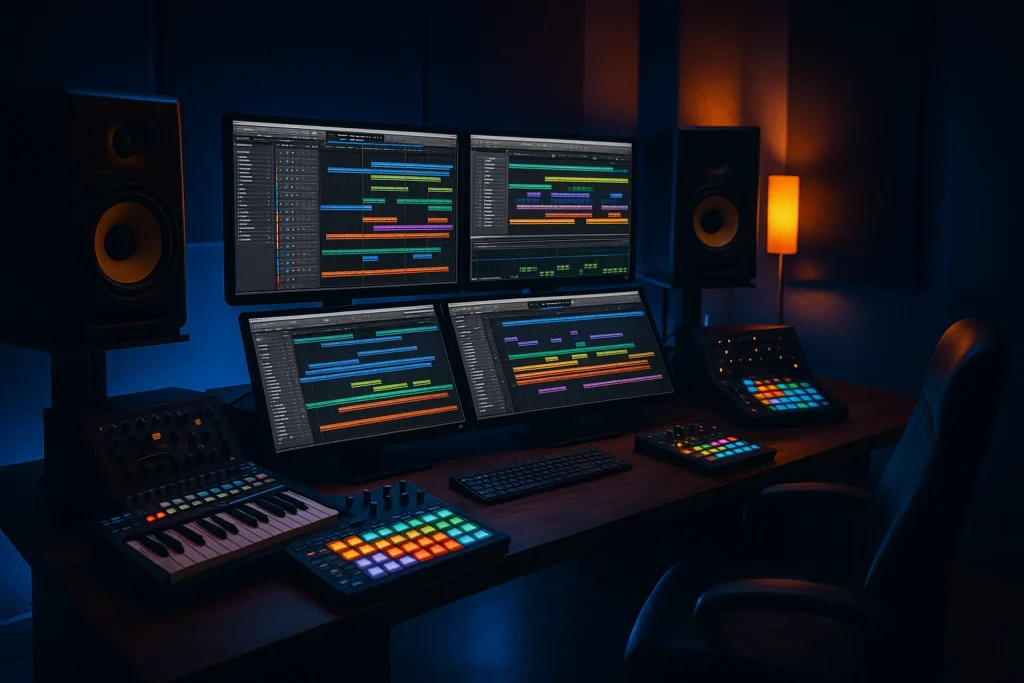
The Rise of AI Vocals
The evolution of AI vocals has been swift and impressive. With advancements in machine learning and natural language processing, AI can now create vocals that closely mimic the nuances of human speech and singing. Companies like OpenAI and Google have developed sophisticated models capable of generating highly realistic vocals, a trend that is reshaping the music production landscape.
AI vocals offer several advantages. They can be produced quickly and cost-effectively, without the need for a physical recording session. This capability allows producers to experiment with different vocal styles and tones, offering flexibility that traditional methods may not provide. Platforms like Splice are at the forefront, providing producers with AI-driven tools to enhance their tracks.
Real Vocals: The Human Touch
Despite the rise of AI, real vocals remain a cornerstone of music production. The ability of human singers to convey emotion and connect with listeners on a personal level is unmatched. Notable artists like Adele and Sam Smith have built careers on their distinctive vocal performances, which AI cannot fully replicate.
Real vocals bring authenticity and emotional depth to a track, qualities that resonate deeply with audiences. Many producers continue to prioritize human vocals for their ability to deliver a unique and personal touch that AI lacks.
Comparative Analysis: AI Vocals vs Real Vocals
To better understand the differences between AI and real vocals, let’s delve into a comparative analysis that highlights key aspects producers should consider.
| Aspect | AI Vocals | Real Vocals |
|---|---|---|
| Production Time | Quick and efficient | Varies; typically longer |
| Cost | Generally lower | Higher due to studio costs and artist fees |
| Emotional Expression | Limited | Rich and varied |
| Authenticity | Can sound synthetic | Authentic and unique |
| Legal Complexity | New and evolving | Well-established |
This comparison outlines the strengths and limitations of each vocal type, helping producers choose the right approach for their projects.
Legal and Ethical Considerations
As AI technology advances, so do the legal and ethical challenges associated with its use in music production. Issues around copyright, intellectual property, and moral rights are at the forefront. Currently, the law is catching up with technology, and producers must stay informed about the evolving legal landscape.
For example, using AI to mimic a specific artist’s voice without permission can lead to legal disputes. Producers are advised to consult resources like Resident Advisor for updates on industry standards and legal guidelines.
Audience Reception: AI Vocals vs Real Vocals
The audience’s perception of AI and real vocals can significantly impact a track’s success. While AI vocals offer novelty and innovation, real vocals are often preferred for their emotional depth and authenticity. This preference is evident in streaming patterns and chart performance.
According to Beatport, tracks featuring real vocals tend to perform better in vocal-heavy genres like pop and R&B. However, AI vocals have found a niche in electronic and experimental genres, where novelty often trumps tradition.
Technical Insights: Integrating AI Vocals
For producers interested in experimenting with AI vocals, understanding the technical aspects is crucial. AI vocals can be integrated into digital audio workstations (DAWs) using plugins and software solutions. Platforms like SoundCloud offer communities and resources to help producers navigate these tools.
Producers should focus on seamless integration, ensuring that AI vocals complement the overall sound without overshadowing other elements. This balance often requires a keen understanding of sound design and mixing techniques, which can be explored further in guides like Mixing Vocals in EDM – Complete Guide.
Tips for Producers: Choosing the Right Vocals
When deciding between AI and real vocals, consider the genre, target audience, and desired emotional impact of your track. For genres that prioritize authenticity and emotional expression, such as soul or jazz, real vocals may be more appropriate. In contrast, for innovative or experimental projects, AI vocals can offer a fresh and distinctive sound.
As you navigate this decision-making process, consider leveraging resources like How to Release More Music – Scale Your Output to streamline production and manage collaborations effectively. The Ghost Production offers insights into how to effectively outsource parts of your production, allowing you to scale without compromising on quality.
Frequently Asked Questions
What are the main differences between AI and real vocals?
The primary differences lie in production time, cost, emotional expression, authenticity, and legal complexity. AI vocals are quicker and cheaper to produce but may lack the emotional depth and authenticity that real vocals provide.
Are AI vocals legally protected?
AI vocals are subject to evolving legal frameworks. While they are currently protected under certain intellectual property laws, producers must be careful about using AI to mimic real artists without permission, as this can lead to legal issues.
How do audiences perceive AI vocals?
Audience perception varies by genre and individual preference. While AI vocals are appreciated for their novelty and innovation, real vocals are often favored for their emotional depth and authenticity, especially in vocal-centric genres.
Can AI vocals completely replace real vocals?
While AI vocals offer many advantages, they are unlikely to completely replace real vocals due to the latter’s unique ability to convey emotion and authenticity. Both have their places in modern music production.
Where can I learn more about integrating AI vocals into my music?
Resources like AI in Music Production – Pros, Cons & What Producers Need to Know provide detailed insights into the integration of AI vocals, offering tips and techniques for producers looking to innovate in their work.
Last updated:
Ready to Scale Your Music Output?
Release more music, hit more deadlines, and build a stronger catalog — with professional ghost production that sounds exactly like you.